

How to Protect Your Heart in the Heat
Key Takeaways:
Extreme heat forces the heart to work harder by widening blood vessels, accelerating heart rate, lowering blood pressure and increasing the risk of dehydration — all of which can significantly elevate cardiovascular risk. People with heart disease account for approximately one quarter of heat-related deaths. To protect heart health in hot weather, people with cardiovascular disease should stay well hydrated, avoid outdoor exercise between 10 am and 4 pm, monitor heat advisories, dress appropriately, and wear sunscreen. Certain heart medications including diuretics, beta blockers, and blood pressure medications can impair the body’s ability to regulate temperature or increase dehydration risk, so patients should consult their cardiologist before summer. Heat stroke is a medical emergency requiring immediate 911 contact.
Summer is a great time of year to spend time outdoors. Whether you’re relaxing with family or exercising outside, it’s important to understand the ways in which extreme heat can impact your heart. High temperatures place additional strain on your heart and cardiovascular system. While this poses a limited risk if you have a healthy heart, it can significantly increase your risk of serious complications if you have cardiovascular disease. Studies have found that approximately one quarter of heat-related deaths occur in people with heart disease. Knowing how to protect your heart during the summer heat will help you stay safe and avoid major cardiovascular complications.
How Does Hot Weather Affect Your Heart?
 Hot weather impacts your heart in a variety of ways:
- Your blood vessels widen and your heart beats faster to increase blood flow to the skin
- Widened blood vessels, combined with an increase in sweating, can lower your blood pressure
- Dehydration and electrolyte imbalances can adversely impact how your heart functions
- You may experience higher stress responses and inflammation, increasing the demands placed on your heart
- Air pollution is worse in high heat, which can exacerbate heart disease and potentially trigger cardiovascular events
These factors can force your heart to work much harder in the heat, increasing your risk for the following conditions if you have cardiovascular disease:
- Blood clots
- Arrhythmias
- Heart attack
- Stroke
- Heart failure
Tips to Stay Safe and Manage Your Heart Health in the Heat
While taking the following precautions is considered best practices for everyone, they’re especially important if you have heart disease or an existing cardiovascular condition.
Drink Plenty of Water
Proper hydration is critical when you’re outside in hot temperatures. Dehydration forces your heart to pump harder and may cause your blood to thicken, placing additional strain on your cardiovascular system. If you’re on diuretics to treat heart failure, you may be at increased risk of dehydration because these medications help your body eliminate fluids.
Always keep a water bottle with you, and try to drink about 8 ounces of water for every 20 minutes you’re outside. If you have heart failure or are on diuretics, talk to your cardiologist about the proper amount of water you should be drinking in hot weather.
When exercising outside in the heat, drink 16-20 ounces of water one to two hours before exercising. While exercising, sip on small amounts of water every consistently throughout your workout. Then drink another 16 ounces of water after you’re done.
Avoid Exercising in the Midday Heat
 If you’re going to exercise outside, avoid doing so between 10 am and 4 pm, when you’re likely to experience the hottest temperatures. Instead, exercise in the early morning or the evening when it’s a bit cooler.
Monitor Weather Forecasts for Heat Advisories
There are some days when it’s simply too hot to safely spend extended periods of time outside if you have a heart condition. Always check the forecast before planning long days outside or outdoor exercise. If you’re experiencing a heat advisory in your area, consider rescheduling those plans for a cooler day.
Dress for the Heat
Wear loose-fitting, lightweight, light colored clothing made of breathable fabrics such as moisture-wicking athletic wear or cotton. Wear a wide-brimmed hat and sunglasses to protect your body from the heat.
Wear Sunscreen
A sunburn can increase dehydration and negatively impact your body’s ability to stay cool. Apply a broad-spectrum or UVA/UVB protection sunscreen with at least SPF 30 about a half hour before going outside, and reapply sunscreen every two hours.
Avoid Drinking Beverages Which Cause Dehydration
Soda and fruit juice may extend the amount of time it takes for water to move from our digestive system into your bloodstream, increasing your risk of dehydration. In addition, caffeinated beverages and alcohol can result in dehydration and increase your risk of heat-related illness.
Watch for Signs of Heat-Related Illness
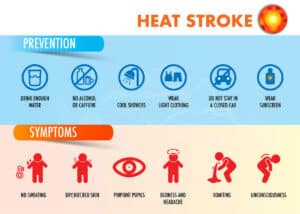 If you develop any of the following symptoms associated with heat-related illness, move to a shaded or air conditioned space:
- Heavy sweating
- Weakness or dizziness
- Fainting
- Muscle cramps
- Nausea or vomiting
Heat stroke is life threatening and should be considered a medical emergency. If you experience any of the following heat stroke symptoms, call 911 immediately:
- High body temperature (over 103°F)
- Rapid heart rate
- Hot, red, dry skin with no sweating
- Severe headache
- Confusion or loss of consciousness
Talk to Your Cardiologist About Your Medications
Certain heart medications such as diuretics, beta blockers or blood pressure pills can make it harder to regulate your body temperature or increase your risk of dehydration. Before summer starts, ask your cardiologist if your medications will require you to take any precautions on very hot days.
South Denver Cardiology Can Help
At South Denver Cardiology, we understand that managing your heart health involves more than taking medications or undergoing medical procedures. Managing cardiovascular disease also requires making heart-healthy lifestyle choices every day. Our team provides the support you need to understand how the heat impacts your heart health and the precautions you need to take on hot days. We’re always available to answer your questions as they arise.
Contact us today to schedule an appointment. South Denver Cardiology serves patients in Denver, Littleton and the surrounding areas.

- What Happens When Afib Goes Untreated? - September 4, 2026
- What Is Preventive Cardiology? - August 31, 2026
- 7 Hidden Risk Factors of Heart Disease Most People Ignore - July 9, 2026
Sign Up
As with any health concerns, your specific treatment program should be discussed thoroughly with your primary care physician as well as any specialists who may need to be consulted – like a cardiologist.
Sign Up