

Heart Attack vs. Heart Failure
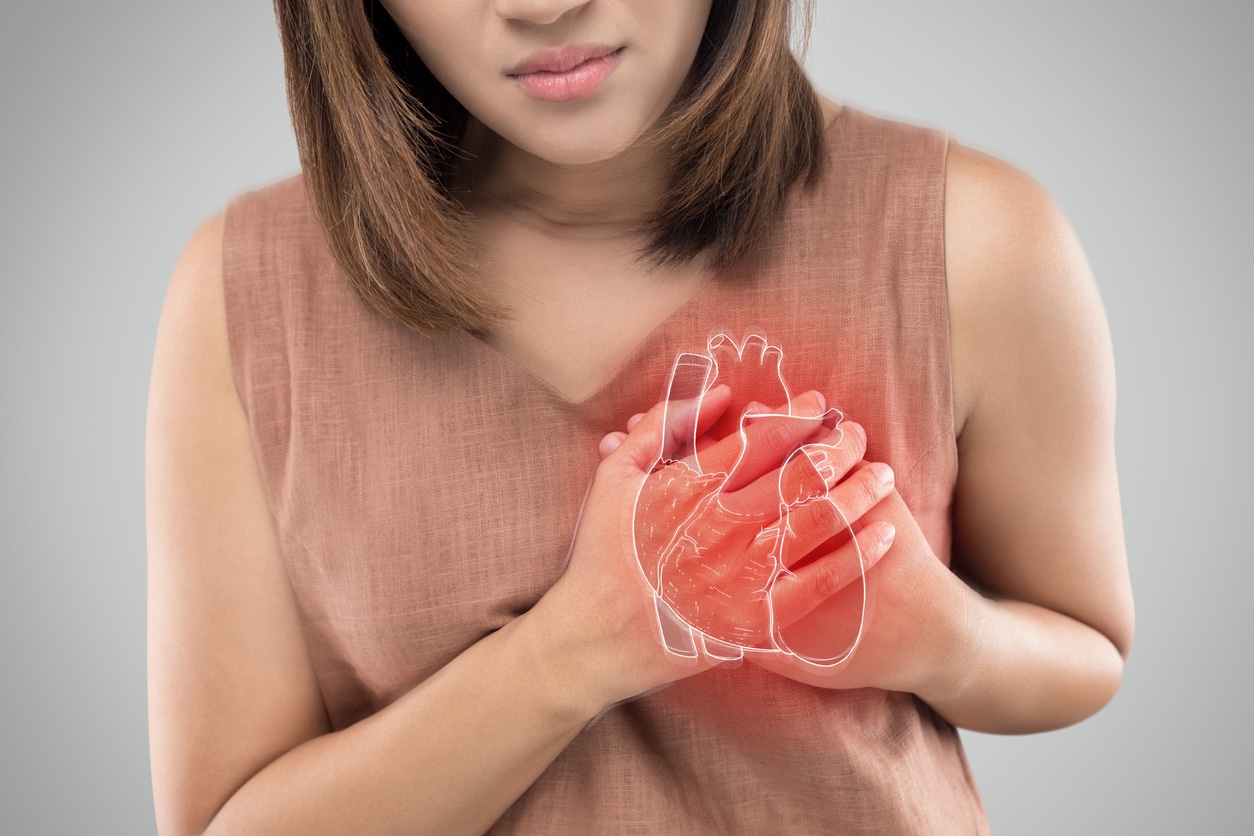
Key Takeaways: A heart attack is an acute medical emergency caused by a blocked artery that cuts off blood supply to the heart, requiring immediate treatment such as angioplasty or…
Read More
Key Takeaways: A heart attack is an acute medical emergency caused by a blocked artery that cuts off blood supply to the heart, requiring immediate treatment such as angioplasty or…
Read More
Key Takeaways: Stroke risk is driven by a combination of underlying medical conditions, lifestyle behaviors and non-modifiable factors, making prevention a matter of both clinical management and daily decision-making. The…
Read More
Key Takeaways: Heart conditions can cause symptoms throughout the body, not just in the chest, because of shared nerve pathways and reduced blood flow. Pain in the arms, shoulders, neck,…
Read More
Key Takeaways: A rapid heartbeat is defined as a resting heart rate above 100 beats per minute and can range from normal sinus tachycardia triggered by stress, exercise or stimulants…
Read More
Key Takeaways: Heart disease is the leading cause of death for women in the United States, and heart attack symptoms in women often differ from the classic signs seen in…
Read More
Key Takeaways: Heart failure is a chronic condition in which the heart cannot pump blood effectively, leading to fluid buildup and reduced oxygen delivery throughout the body. It affects millions…
Read More
Key Takeaways: Heart disease is a broad group of conditions affecting the heart’s structure, blood flow or electrical system, including coronary artery disease, arrhythmias, congenital defects, valve disorders and heart…
Read More
According to the Centers for Disease Control and Prevention (CDC), cardiovascular disease is the leading cause of death in the United States, accounting for over 680,000 deaths annually. There are…
Read More
Heart attack and cardiac arrest are two common heart issues that are often confused with one another. While they are both medical emergencies that occur suddenly and can potentially be…
Read More
Key Takeaways: Family history can increase your risk of heart disease, but it does not make heart conditions inevitable. Lifestyle factors such as diet, exercise, weight management, and stress control…
Read More