

Common Heart Tests
Diagnostic testing gives your cardiologist the information needed to monitor your heart health, identify potential conditions and determine whether your current treatment plan is working. These tests can be grouped into three distinct categories:
- Electrical tests
- Imaging tests
- Blood tests
Electrical Tests
Electrical tests are performed to evaluate your heart’s rhythm and electrical conduction. They include:
- Electrocardiogram (ECG/EKG)
- Holter monitor
- Cardiac stress test
Electrocardiogram (ECG/EKG)
An electrocardiogram (ECG/EKG) measures your heart’s electrical activity to identify:
- How fast your heart is beating
- Whether your heart’s rhythm is irregular
An EKG is often part of a routine screening to detect signs of heart disease. Your cardiologist can also use an EKG to diagnose a variety of conditions, including:
- Heart failure
- Arrhythmia (irregular heartbeat)
- A current or prior heart attack
In addition, an EKG can be used to evaluate the effectiveness of a pacemaker or the heart medications you’re taking. EKGs can also help establish a baseline reading on your heart function that can be monitored over time.
Holter Monitor
Electrocardiograms provide a snapshot of your heart’s electrical activity, recording information over 6-10 second intervals. When longer term data is required, your cardiologist may recommend a Holter monitor. This is a specific type of electrocardiogram that is conducted for a minimum of 24 hours to provide a more detailed assessment of your heart’s electrical function while you’re going about your routine daily activities.
A Holter monitor can be used to diagnose:
- The cause of heart palpitations
- Arrhythmia
Cardiac Stress Test
 A cardiac stress test is performed to assess how your heart responds to periods of physical stimulation. There are two different types of stress tests:
- Exercise Stress Test – This is the most common cardiac stress test performed. During the exam, an EKG will be used to measure how your heart responds during exercise. You’ll either walk on a treadmill or ride an exercise bike during the test, with speed and incline changes occurring periodically to increase the amount of work required by your heart.
- Chemical Stress Test – If you’re unable to exercise on a treadmill or stationary bike, an IV drug is administered to simulate the increased workload on your heart that would occur during an actual workout.
Cardiac stress tests can be used to diagnose:
- Coronary artery disease
- Heart valve disease
- Heart failure
- Arrhythmia
In some instances, cardiac stress tests may be performed in conjunction with a nuclear scan, which involves injecting a radioactive tracer substance that provides imaging of your heart. This version of the test can help determine whether your heart is receiving enough blood flow.
Imaging Tests
Imaging tests provide your cardiologist with a visual assessment of your heart’s structure, blood flow or pumping function. These tests include:
- Echocardiogram
- Chest x-ray
- Cardiac CT scan
- Cardiac MRI
- Coronary angiogram
Echocardiogram
An echocardiogram is an ultrasound-based imaging exam used to assess whether there are any abnormalities in the size and function of your heart’s muscle, chambers and valves. It can be used to diagnose a variety of heart conditions, including:
- Heart valve disease
- Heart failure
- Structural heart defects
- Blood clots in the heart
- Cardiomyopathy (thickened heart muscle)
- Abnormal fluid collection in the sac surrounding the heart
- Enlarged heart chambers
Chest X-Ray
A chest x-ray creates images of the heart, lungs and blood vessels. It is typically one of the first imaging tests ordered because it is quick, non-invasive and widely available. While it doesn’t provide the level of detail offered by a cardiac CT scan or MRI, it can detect signs of heart failure such as fluid buildup in the lungs, an enlarged heart or abnormalities in the surrounding blood vessels. It is often used as an initial screening tool to determine whether more advanced imaging is warranted.
Cardiac CT Scan
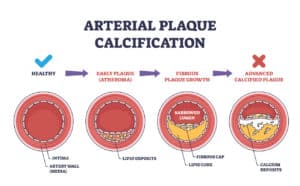 A cardiac CT scan provides detailed 3D images of your heart and arteries. These imaging scans can diagnose a variety of heart conditions, including:
- Coronary artery disease
- Congenital heart defects
- Calcium buildup in the coronary arteries
- Problems with heart valve function
- Problems with the aorta (main artery carrying blood away from the heart)
There are two different types of cardiac CT scans that can be administered:
- Coronary calcium scan
- CT angiogram
A coronary calcium scan, also called a calcium heart score test, is used to detect plaque buildup in your arteries which can slow the flow of blood to the heart. This information can be used to determine whether you’re at increased risk of heart disease, particularly heart attack or stroke. It helps your cardiologist recommend the proper preventive treatments to reduce this risk.
A CT angiogram uses IV-injected contrast dye to determine whether you’re experiencing any narrowing or blockages of the arteries supplying blood to the heart. It’s often performed when you exhibit symptoms of a blockage but aren’t in the high risk category for heart disease.
Cardiac MRI
A cardiac MRI creates detailed images of your heart to help your cardiologist detect the presence and severity of heart disease. This imaging exam can help inform the treatment plan for a variety of heart conditions, including:
- Coronary artery disease
- Congenital heart defects
- Damage from a heart attack
- Heart valve problems
- Cardiac tumors
- Pericarditis (inflammation of the sac surrounding the heart)
Coronary Angiogram
A coronary angiogram uses contrast dye and x-ray imaging to provide a detailed assessment of the coronary arteries. It helps detect the presence of narrowed or blocked arteries which may indicate coronary artery disease. Because a coronary angiogram uses a catheter to deliver the contrast dye, it’s a more invasive procedure than a CT angiogram. However, the use of a catheter allows your cardiologist to place a stent during the diagnostic exam if a blockage is detected, allowing for prompt treatment.
Blood Tests
 Blood tests give your cardiologist a window into your cardiovascular health that imaging and electrical tests can’t provide on their own. By analyzing specific proteins, enzymes and other markers in your blood, they can reveal damage, disease risk and underlying conditions that may be affecting your heart. Blood tests can be an effective diagnostic tool to:
- Assess the extent of damage to your heart muscle after a heart attack
- Measure the levels of cholesterol and triglycerides in your blood to assess your risk of heart disease
- Detect signs of heart failure or cardiac strain
- Identify other health conditions, such as diabetes or kidney failure, which may increase your risk of heart disease
South Denver Cardiology Can Help
At South Denver Cardiology, we offer comprehensive diagnostic testing to help identify any heart health issues in their earliest stages. This allows our cardiology team to recommend the proper treatment plan to manage your condition and minimize the risk of a serious cardiac event.
Contact us today to schedule an appointment. South Denver Cardiology serves patients in Denver, Littleton and the surrounding areas.
Frequently Asked Questions About Common Heart Tests
What are the most common heart tests?
Common heart tests fall into three categories: electrical tests, imaging tests and blood tests. Electrical tests include the electrocardiogram (EKG), Holter monitor and cardiac stress test. Imaging tests include the echocardiogram, chest x-ray, cardiac CT scan, cardiac MRI and coronary angiogram. Blood tests are also used to assess heart health, measure cholesterol levels and detect signs of heart damage.
What does an EKG test for?
An EKG measures your heart’s electrical activity to evaluate heart rate and rhythm. It can be used to diagnose arrhythmia, heart failure and evidence of a current or prior heart attack. EKGs are also used to monitor the effectiveness of heart medications and pacemakers, and to establish a baseline reading of your heart function over time.
What is the difference between a Holter monitor and an EKG?
An EKG records your heart’s electrical activity over a short interval, typically 6 to 10 seconds. A Holter monitor is a type of EKG worn continuously for a minimum of 24 hours, allowing your cardiologist to assess your heart’s electrical function during normal daily activities. It is typically recommended when an EKG hasn’t captured enough data to identify the cause of symptoms like heart palpitations or arrhythmia.
What is a cardiac stress test used for?
A cardiac stress test evaluates how your heart responds to physical exertion. It can be used to diagnose coronary artery disease, heart valve disease, heart failure and arrhythmia. There are two types: an exercise stress test, which monitors heart activity during physical activity on a treadmill or stationary bike, and a chemical stress test, which uses an IV medication to simulate that increased workload for patients who are unable to exercise.
What is the difference between a CT angiogram and a coronary angiogram?
Both tests use contrast dye to evaluate the coronary arteries for narrowing or blockages, but they differ in how the dye is delivered. A CT angiogram is non-invasive and uses IV injection. A coronary angiogram uses a catheter, making it a more invasive procedure. The advantage of the catheter-based approach is that if a blockage is detected, your cardiologist can place a stent during the same procedure.
What do cardiac blood tests measure?
Cardiac blood tests can measure cholesterol and triglyceride levels to assess heart disease risk, detect markers of heart muscle damage following a heart attack, identify signs of heart failure or cardiac strain, and screen for other conditions such as diabetes or kidney disease that may increase cardiovascular risk.

- What Happens When Afib Goes Untreated? - September 4, 2026
- What Is Preventive Cardiology? - August 31, 2026
- 7 Hidden Risk Factors of Heart Disease Most People Ignore - July 9, 2026
Sign Up
As with any health concerns, your specific treatment program should be discussed thoroughly with your primary care physician as well as any specialists who may need to be consulted – like a cardiologist.
Sign Up