

7 Hidden Risk Factors of Heart Disease Most People Ignore
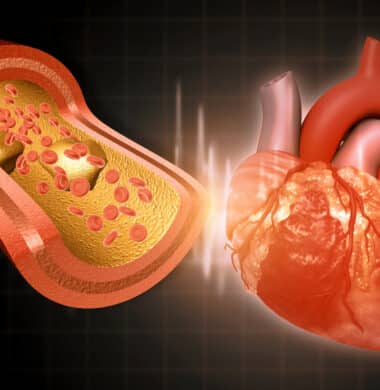
Most people are well aware of the major risk factors of heart disease, such as high blood pressure, high cholesterol, smoking and obesity. But heart disease is complex, and many of the risk factors are less obvious. Heart disease is the leading cause of death in the United States and when hidden risk factors stack together, it can often increase your chances of a serious cardiac event. Your ability to manage all of the potential risk factors is one of the most powerful steps you can take to improve your long-term health.
Diabetes and Prediabetes
Diabetes damages many organs, including your heart. High blood sugar levels can increase inflammation and damage your blood vessels. People with diabetes often develop heart disease at a younger age, and they’re twice as likely to have heart disease as individuals with normal blood sugar levels.
But the damage to your heart starts well before you develop diabetes. Individuals with prediabetes also see a significantly elevated risk of heart disease. According to the Centers for Disease Control and Prevention (CDC), there are approximately 115 million Americans with prediabetes, and 80% of these individuals aren’t aware they have the condition. Getting your blood sugar levels checked every year during your annual checkup is the best way to catch prediabetes in its earliest stages so that you can manage the condition before your heart sustains significant damage.
Chronic Inflammation
Approximately 35% of American adults have chronic, systemic inflammation. While inflammation is caused by many medical conditions such as diabetes, gum disease, autoimmune disorders and certain cancers, it is also linked to a variety of lifestyle factors, such as poor sleep, unmanaged stress, lack of exercise, poor diet, smoking and excessive alcohol consumption. Chronic inflammation can damage the lining of your blood vessels and arteries, making them more susceptible to plaque buildup that often leads to heart disease.
Unmanaged Chronic Stress
 Chronic, unmanaged stress impacts much more than your emotional state. It also causes your body to release large levels of stress hormones such as cortisol and adrenaline, which can increase inflammation, elevate your blood pressure and alter your blood’s clotting ability. In addition, stress can increase your likelihood of engaging in unhealthy habits which may further raise your risk of heart disease, such as overeating, smoking, drinking excessive quantities of alcohol and failing to exercise. Clinical studies have linked chronic stress to an increased risk of heart attack and stroke.
Hormonal Imbalances
As you age, your body’s hormone production changes in ways that can increase your risk of heart disease:
- Men experience a decline in testosterone production that has been linked to higher body fat content, insulin resistance and plaque buildup in arteries
- Women experience a decline in estrogen levels during menopause which can increase cholesterol levels and cause arteries to stiffen
Poor Sleep Quality
The quantity and quality of your sleep plays an important role in your heart health. A good night’s sleep helps regulate your stress hormones, metabolism and blood pressure. When you fail to get enough quality sleep each night, your body often experiences low-level inflammation and increased stress, both of which increase your risk of heart disease. Getting a minimum of seven hours of quality sleep per night will help reduce these risks.
If you suffer from sleep apnea, you may experience damage to your cardiovascular system over time. Sleep apnea causes your airway to become blocked while you sleep, resulting in brief, repeated interruptions in breathing that reduce the levels of oxygen in your body. This can increase your risk of high blood pressure, obesity and insulin resistance, all of which contribute to heart disease. Untreated sleep apnea has also been linked to an increased risk of heart attack and stroke.
Gum Disease
 Approximately 47% of American adults have gum disease, and there are documented links between gum disease and a 20% increase in the risk of developing heart disease. Gum disease increases the levels of inflammation and harmful bacteria around the gum tissues. This can result in a narrowing of your arteries, which is a common cause of heart disease.
Loneliness and Social Isolation
One of the most overlooked risk factors of heart disease is loneliness. Social isolation and feelings of loneliness trigger several body responses which increase your risk of heart disease, including:
- Increase in the release of stress hormones
- Elevated levels of chronic inflammation in your body
- Disruption of your sleep patterns
- Increase in blood pressure
South Denver Cardiology Can Help
At South Denver Cardiology, we offer comprehensive services that can help you manage many of these hidden risk factors to maintain optimal levels of heart health:
- Our nutritional consulting services will help you establish a heart healthy diet
- Our medical weight loss clinic will help you reach and maintain a heart healthy weight
- Our medical fitness gym will help you create a customized workout plan to optimize your heart health
- Our mind/body studio will help you make lifestyle adjustments that will reduce your stress levels
In addition, our cardiology services include diagnostic testing to identify any conditions impacting your heart health in their earliest stages so that you can manage them properly. Our Prevention Cardiology Clinic provides services focused on helping you take steps to manage your existing risk factors for heart disease in order to reduce your chances of a major cardiac event.
Contact us today to schedule an appointment. South Denver Cardiology serves patients in Denver, Littleton and the surrounding areas.
Frequently Asked Questions About Hidden Risk Factors of Heart Disease
What are the hidden risk factors of heart disease?
Lesser known risk factors of heart disease include diabetes and prediabetes, chronic inflammation, unmanaged stress, hormonal imbalances, poor sleep quality, gum disease and social isolation. These risk factors are often overlooked because they are less commonly associated with heart disease than well-known factors like high blood pressure, high cholesterol and obesity. Managing these hidden risk factors can meaningfully reduce your chances of a serious cardiac event.
Can diabetes increase your risk of heart disease?
Yes. High blood sugar levels associated with diabetes can damage blood vessels and increase inflammation, both of which contribute to heart disease. People with diabetes are twice as likely to develop heart disease as those with normal blood sugar levels and often develop it at a younger age. The elevated risk begins before a diabetes diagnosis, as individuals with prediabetes also face a significantly higher risk of heart disease.
Can chronic stress cause heart disease?
Yes. Chronic, unmanaged stress causes the body to release elevated levels of cortisol and adrenaline, which can increase inflammation, raise blood pressure and alter the blood’s clotting ability. Clinical studies have linked chronic stress to an increased risk of heart attack and stroke. Stress can also increase the likelihood of unhealthy behaviors such as overeating, smoking and excessive alcohol consumption, which further elevate cardiovascular risk.
Is there a link between gum disease and heart disease?
Yes. Research has documented a link between gum disease and a 20% increase in the risk of developing heart disease. Gum disease elevates levels of inflammation and harmful bacteria around the gum tissues, which can contribute to narrowing of the arteries — a common cause of heart disease.
Can poor sleep increase your risk of heart disease?
Yes. Poor sleep quality is associated with elevated inflammation levels and increased stress hormones, both of which contribute to heart disease risk. Sleep apnea is particularly damaging to cardiovascular health. The repeated interruptions in breathing during sleep that occur from this condition reduce oxygen levels in the body and have been linked to increased risk of high blood pressure, obesity, insulin resistance, heart attack and stroke. Getting a minimum of 7 hours of quality sleep per night can help reduce these risks.
Can loneliness increase your risk of heart disease?
Yes. Social isolation and loneliness trigger several physiological responses that elevate cardiovascular risk, including increased release of stress hormones, chronic inflammation, disrupted sleep patterns and elevated blood pressure. Loneliness is one of the most commonly overlooked risk factors of heart disease.

- What Happens When Afib Goes Untreated? - September 4, 2026
- What Is Preventive Cardiology? - August 31, 2026
- 7 Hidden Risk Factors of Heart Disease Most People Ignore - July 9, 2026
Sign Up
As with any health concerns, your specific treatment program should be discussed thoroughly with your primary care physician as well as any specialists who may need to be consulted – like a cardiologist.
Sign Up