
Heart Disease 101: What You Need to Know
Key Takeaways:
Heart disease is a broad group of conditions affecting the heart’s structure, blood flow or electrical system, including coronary artery disease, arrhythmias, congenital defects, valve disorders and heart failure. Symptoms vary by condition and severity but commonly include chest pain, shortness of breath, fatigue, palpitations and swelling, with some forms presenting few early warning signs. Risk factors include high blood pressure, high cholesterol, diabetes, genetics, age and lifestyle habits such as poor diet, inactivity, smoking, excess weight and chronic stress. When left untreated, heart disease can lead to serious complications such as heart attack, stroke, heart failure and sudden cardiac arrest. Treatment is tailored to the individual and may involve monitoring, medication, medical procedures or cardiac rehabilitation, while many forms of heart disease can be prevented or better managed through heart-healthy lifestyle changes and comprehensive cardiology care.
February is American Heart Month, a national observance to raise awareness about cardiovascular disease, the leading cause of death in the United States. Throughout the month, the American Heart Association will sponsor a variety of events to help educate Americans about the risk factors for heart disease, as well as the steps they can take to live a heart healthy life. At South Denver Cardiology, we’re getting involved by providing our community with important educational content on some of the most serious heart conditions impacting Americans today.
The following overview of heart disease will help you to better understand this condition and take control of your heart health.
What Is Heart Disease?
Heart disease is a general term that refers to a group of conditions affecting your heart and blood vessels. Some of these conditions are congenital (you’re born with them), while others develop over the course of your life. Heart disease can impact your heart muscle, valves, electrical system or your heart’s blood supply. Some of the most common types of heart disease include:
- Coronary artery disease
- Arrhythmias (irregular heartbeats)
- Congenital heart defects
- Heart valve disorders
- Heart failure (your heart muscle fails to pump properly)
Common Symptoms of Heart Disease
The symptoms of heart disease can vary depending on the specific type of heart disease you experience.
Coronary Artery Disease Symptoms
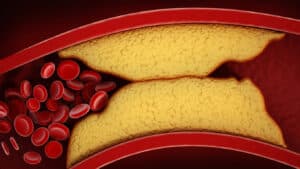 Coronary artery disease is the most common type of heart disease impacting Americans. This condition develops slowly over time and is caused by a buildup of plaque in the arteries which supply blood to the heart. This plaque buildup causes the arteries to become narrow, restricting blood flow to the heart. If left untreated, coronary artery disease can lead to a heart attack or stroke.
Common symptoms of coronary artery disease include:
- Chest pain or tightness
- Shortness of breath
- Pain, numbness or weakness in the arms and legs
- Neck, jaw, throat, back or upper belly pain
Arrythmia Symptoms
Arrhythmia occurs when your heart beats in an irregular pattern. When you have an arrhythmia, your heart may beat too quickly, too slowly or in a random pattern. Common symptoms include:
- Chest pain
- Dizziness, lightheadedness or fainting
- Fluttering in the chest
- Racing heartbeat
- Slow heartbeat
- Shortness of breath
Congenital Heart Defect Symptoms
Congenital heart defects are present at birth and are related to the way your heart forms. There are a variety of potential congenital heart defects, including a hole in the heart’s wall, heart valve problems and blood vessel issues.
Some symptoms may develop at birth, while others may not appear until later. In addition, symptoms vary depending on the type and severity of your congenital heart defect. They may include:
- Fatigue
- Heart murmur
- Fast beathing
- Difficulty breathing
- Poor blood circulation
- Feeling very tired or out of breath while exercising
- Weak pulse
- Pounding heart
- Excessive sleepiness
- Blue or gray skin
Heart Valve Disorder Symptoms
 There are four valves in your heart which open and close to allow blood to pass through the different chambers in your heart. During the contractions that occur when your heart beats, the valves open to allow blood to move into the next chamber. When your heart relaxes while beating, the valves close to prevent blood from flowing backward into the previous chamber.
Heart valve disorder symptoms can vary based on the specific condition you experience as well as the valve being impacted, but they may include:
- Chest pain
- Fatigue
- Fainting
- Shortness of breath
- Heart palpitations
- Swollen feet or ankles
Common Symptoms of Heart Failure
Heart failure is a chronic condition that occurs when your heart fails to pump blood properly, causing blood to build up in other parts of your body such as you lungs, legs or feet. In some instances, you may not experience any symptoms of heart failure. Other times, symptoms may be mild or intermittent. When symptoms develop, they may include:
- Shortness of breath
- Heart palpitations
- Chest pain
- Fatigue during exercise
- Weight gain
- Swelling in your belly, legs or ankles
- Dry, hacking cough
- Loss of appetite
- Bloated or hard belly
Causes and Risk Factors of Heart Disease
Each different type of heart disease is associated with its own specific set of causes. Some potential causes of heart disease include:
- High blood pressure
- High cholesterol
- Diabetes
- Medications
- Infections
- Autoimmune diseases
- Thyroid problems
- Kidney disease
In addition, there are a variety of factors which may increase your risk of developing heart disease. Some of these risk factors are out of your control, but others are directly related to the lifestyle choices you make:
- Genetics – Family history of heart disease increases your risk
- Age – Your risk of heart disease increases as you get older
- Gender – Men typically have a higher risk of heart disease than women
- Diet – Eating a diet high in saturated fats, refined carbohydrates and salt can increase your risk of heart disease
- Lifestyle Habits – Lack of exercise, excessive alcohol consumption and smoking can increase your risk of heart disease
- Obesity – Being overweight typically exacerbates other heart disease risk factors
- Stress – Elevated stress levels can damage your arteries and exacerbate other heart disease risk factors
Heart Disease Complications
If left untreated, heart disease can result in a variety of serious complications, many of which can potentially be life threatening. These include:
- Heart attack
- Stroke
- Heart failure
- Sudden cardiac arrest
- Pulmonary hypertension
- Aortic dissection (the lining of your artery tears)
- Sudden blockages in the leg arteries
- Aneurysm
How Is Heart Disease Treated?
 The right treatment approach will depend on the cause, type and severity of your heart disease. Potential treatments include:
- Active Surveillance – In some instances, no treatment may be required at first. Instead, your cardiologist will monitor your condition over time and recommend treatments at a later date if your condition becomes worse.
- Medications – Medications may be prescribed to manage heart disease symptoms and prevent complications. In some instances, you may be prescribed medications to manage underlying causes, such as high blood pressure, diabetes or high cholesterol.
- Medical Procedures – In some instances, a medical procedure may be required as part of your treatment. The specific procedure will depend on the type of heart disease and the extent of damage to your heart, but it may include open heart surgery, heart valve surgery, catheterization, stent placement or an ablation.
- Cardiac Rehabilitation – A supervised exercise program is commonly prescribed after a heart attack or if you have heart failure to help strengthen your heart.
Can Heart Disease Be Prevented?
The good news is you can lower your risk of certain types of heart disease by making the following heart healthy lifestyle changes:
- Maintain a heart healthy weight
- Eat a healthy diet that is low in ultra-processed foods, sodium and saturated fat
- Get at least 30 minutes of exercise most days of the week
- Manage health conditions that contribute to heart disease, such as diabetes, high cholesterol and high blood pressure
- Quit smoking
- Limit your alcohol consumption
- Get 7-9 hours of sleep per night
- Reduce and manage your stress
South Denver Cardiology Can Help You Manage Heart Disease
South Denver Cardiology provides comprehensive services to help you manage heart disease. Our cardiologists will perform thorough diagnostic testing to understand the specific cause of your heart disease, and this will help us to recommend the right cardiac services to most effectively manage your condition.
In addition, our Prevention Cardiology Clinic offers a wide range of services that will help you manage conditions which may increase your risk of heart disease. These services can play an important role in alleviating symptoms, reducing your risk of major cardiovascular disease events and maximizing your quality of life.
If you need to make lifestyle adjustments to reduce your risk of heart disease or to more effectively manage an existing heart disease condition, our team can provide the support you need:
- Our nutritional counseling services will help you establish a heart healthy diet
- Our medical weight loss clinic can help you achieve and maintain a heart healthy weight
- Our medical fitness gym will help you develop a customized exercise plan to optimize your heart health
- Our mind/body studio can help you manage your stress more effectively
Contact us today to schedule an appointment. We serve patients in Denver, Littleton and the surrounding areas.

- Is Chest Pain a Cause for Concern? - March 12, 2026
- Do I Need to Worry About a Rapid Heartbeat? - March 5, 2026
- Common Heart Attack Symptoms Among Women - February 6, 2026
Sign Up
As with any health concerns, your specific treatment program should be discussed thoroughly with your primary care physician as well as any specialists who may need to be consulted – like a cardiologist.
Sign Up