

How Cold Weather Affects Your Heart

Key Takeaways:
Cold weather places additional strain on the cardiovascular system by triggering vasoconstriction, raising blood pressure, increasing heart rate and reducing oxygen delivery to the heart. These physiological changes contribute to the higher incidence of winter cardiac events, especially among individuals with pre-existing heart disease, older adults, and those with diabetes, high blood pressure, obesity or smoking history. Seasonal factors such as reduced physical activity, weight gain, respiratory infections and circadian rhythm disruptions further elevate risk. Protecting heart health in winter requires proactive measures including dressing warmly, receiving a flu shot and consulting a cardiologist about individualized precautions.
The cold winter weather can be exhilarating and provide an opportunity to enjoy activities that aren’t accessible during the rest of the year. But before you hit the ski slopes, go for a long winter run or shovel your driveway after a big snowstorm, it’s important to understand the ways in which cold weather can impact your heart health. This is especially true if you have cardiovascular disease, since precautions will need to be taken to protect your heart from a cardiac event.
What Cold Weather Does to Your Heart
When the weather is very cold, the blood vessels near the skin tighten and become narrower. This process, called vasoconstriction, helps minimize the amount of heat that escapes through your skin, allowing your body to more effectively maintain its core temperature. But vasoconstriction also forces your heart to work harder to pump blood through these tighter arteries, and this strain can result in an increase in blood pressure and heart rate. Vasoconstriction also reduces the oxygen supply to your heart, which can increase your risk of chest pain, heart attack or stroke.
There are several other ways cold weather can potentially impact your heart health:
- Reduced physical activity during the winter months can increase your risk of heart-related issues, especially if you have cardiovascular disease
- Stress hormones such as adrenaline are often activated in cold weather, which can cause an increased heart rate and abnormal heart rhythms in people with cardiovascular disease
Why Cardiac Events Increase in Winter
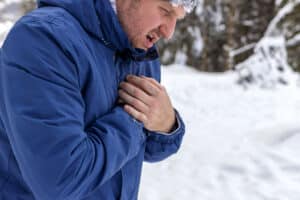 According to a study published in the Journal of the American College of Cardiology (JACC), heart attacks are more common during winter, especially after cold spells. In addition to the ways that cold weather can adversely impact heart health, there are several other reasons that contribute to an increase in cardiac events during winter:
- A more sedentary lifestyle and the increase in comfort foods eaten over the holidays can contribute to weight gain, which can place additional stress on your heart
- Engaging in strenuous winter activities such as shoveling snow can increase the risk of a heart attack in people who aren’t used to performing strenuous activities
- Respiratory infections such as the flu typically spike during winter, which can place additional strain on your heart
- Longer hours of darkness in the winter can disturb circadian rhythms, which has been associated with an increased risk of cardiovascular disease
Who Is at Higher Risk of Cardiac Events in Winter?
Everyone’s body copes with cold weather differently, and not all people will experience an increased risk of cardiac events during the winter. However, there are several factors that can make you more vulnerable to heart-related problems in the cold. These include:
- Age – People over 65 are more likely to experience heart issues in cold weather
- Pre-Existing Heart Conditions – Conditions such as coronary artery disease, heart failure, arrhythmia and angina (chest pain) reduce blood flow and heart function, which can increase your risk of heart issues in the winter
- Diabetes – Diabetes can damage blood vessels and increase the risk of conditions such as atherosclerosis (narrowing of the arteries)
- High Blood Pressure – Cold weather can exacerbate high blood pressure
- Obesity – Obesity can place additional strain on your heart and increase your risk of heart disease
- Smoking – Smoking damages blood vessels and increases your risk of blood clots
How to Protect Your Heart in Cold Weather
 Fortunately, there are steps you can take to protect your heart and reduce your risk of a cardiovascular event during the cold weather. These precautions are especially important if you have cardiovascular disease:
- Exercise indoors to reduce the strain on your heart that may occur when engaging in strenuous activity outside in the cold
- Avoid shoveling snow, which can be a particularly dangerous activity for individuals with heart conditions
- Get a flu shot to reduce your risk of developing serious respiratory infections which can place additional strain on your cardiovascular system
- Dress for cold weather and wear layers when outside
- Take breaks from the cold by coming inside periodically when you’re spending extended periods of time outside
- Consult your cardiologist if you have a heart condition to ensure you’re taking the proper steps to protect your heart in the cold
South Denver Cardiology Can Help
At South Denver Cardiology, we offer a wide range of services to help you optimize your heart health. Our diagnostic testing services give you a clear picture of your heart health and allow our team to catch heart conditions in their earliest stages. Our Prevention Cardiology Clinic helps patients manage conditions which may increase their risk of cardiovascular disease. In addition, our cardiologists have the background and experience to treat just about any cardiovascular condition you may have, helping you reduce your risk of suffering a serious cardiac event.
Contact us today to schedule an appointment. South Denver Cardiology serves patients in Denver, Littleton and the surrounding areas.

- What Happens When Afib Goes Untreated? - September 4, 2026
- What Is Preventive Cardiology? - August 31, 2026
- 7 Hidden Risk Factors of Heart Disease Most People Ignore - July 9, 2026
Sign Up
As with any health concerns, your specific treatment program should be discussed thoroughly with your primary care physician as well as any specialists who may need to be consulted – like a cardiologist.
Sign Up