

What Causes Heart Palpitations at Rest?
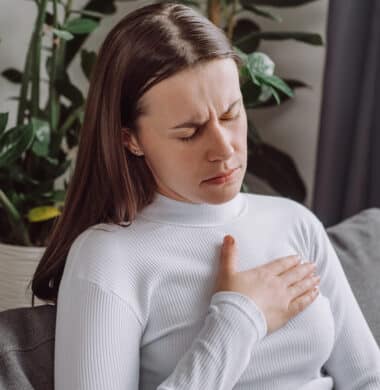
Heart palpitations can be a worrying symptom, especially when they occur when you’re at rest, such as when you’re trying to sleep, but they are very nonspecific. Like a headache, they could be related to something serious, something mundane, or possibly related to no identifiable cause.
Understanding the causes of heart palpitations at rest can help you know when to worry about the condition, and, most importantly, when you need to seek immediate care or talk to a cardiologist.
What Are Heart Palpitations?
Heart palpitations are a nonspecific symptom that is often described generally as being aware that your heartbeat feels unusual. Normally you aren’t aware of your heartbeat, but when you feel it’s off, you might describe it as heart palpitations.
Heart palpitations can be described in several ways, including feeling that your heart is:
- Missing a beat
- Beating extra times
- Beating irregularly
- Beating too fast
- Pounding
- Fluttering
Often, these sensations are felt just in your chest, but they can sometimes also be felt in your throat, neck, head, or limbs.
Causes of Heart Palpitations
Many things can cause heart palpitations. Most of the time, these causes aren’t serious and don’t require medical attention. However, sometimes heart palpitations require immediate care or will benefit from in-depth analysis and long-term attention.
Heart conditions like arrhythmia and heart attack can cause heart palpitations, but some of the other potential causes include:
- Stress, anxiety, and panic attacks
- Lack of sleep
- Caffeine
- Alcohol
- Smoking
- Hormone changes
- Prescription medications
- Poor nutrition
- Recreational drugs
- Nutritional supplements, including those marked “herbal” and “all-natural”
- Over-the-counter (OTC) medications like cough and cold medicine
- Some foods, including:
- Salty food
- Sugary food
- Spicy food
As you can see, heart palpitations include a mixture of causes that are serious and require immediate attention, serious but don’t require immediate attention, and some less-serious causes.
So how do you know when to seek care for your heart palpitations?
When to Seek Immediate Help for Heart Palpitations
You should take heart palpitations seriously when they occur. In fact, you should go to the emergency department or urgent care when you experience the following symptoms with your heart palpitations:
- Chest pain or pain in neck, jaw, arms, or stomach
- Extreme fatigue
- Fainting or a sense that you might faint
- Shortness of breath
- Nausea
- Cold sweat
These could be indicators that you are experiencing a serious cardiac event, such as a heart attack.
When to Talk to Your Doctor about Heart Palpitations
Even if you don’t experience symptoms that might make you think you’re having a serious cardiac event, you might want to talk to your doctor about your heart palpitations if:
- You think they might be related to prescription medications
- Palpitations keep coming back
- Palpitations get worse
- Palpitations last longer than a few minutes
- You have a heart condition or a family history of heart problems
Your doctor will help you to understand what you might do about your heart palpitations, including whether you would benefit from the assistance of a cardiologist.
When to Talk to a Cardiologist about Heart Palpitations
Most of the time, your doctor will tell you when you need to talk to a cardiologist and give you a specific referral.
However, there are times when you might consider getting a second opinion about your heart palpitations. You might consider talking to a cardiologist after your regular doctor if:
- Heart palpitations become more frequent
- Heart palpitations worsen
- You experience additional symptoms
- Your doctor recommends an invasive procedure
People often neglect getting a second opinion, but it’s a good way to ensure you are receiving the best care for your condition. It doesn’t mean you have to leave your current doctor. Even if you start seeing a cardiologist for heart symptoms, you can continue seeing your regular doctor for other care.
How to Reduce Heart Palpitations
If you think your heart palpitations aren’t related to medical conditions or medications, you might try some routine lifestyle modifications to try to control them.
Some things you can try to reduce heart palpitations include:
- Taking steps to control stress
- Getting regular exercise
- Improving sleep habits
- Changing your diet
- Quitting smoking
- Cutting down on alcohol
- Reducing caffeine
When it comes to controlling stress, there are many steps you can take on your own, but sometimes professional help can be more effective. Always talk to your doctor before starting a new exercise regimen. While exercise is likely to be healthy for your heart, your doctor can help you choose activities that are appropriate for your current heart health.
Improving sleep could be as simple as getting to bed on time. However, if you’re spending enough time in bed, but still aren’t feeling rested, you should consider improving sleep hygiene or getting tested for sleep apnea.
South Denver Cardiology Can Help
South Denver Cardiology is focused on comprehensive, multidisciplinary care for your overall and heart health. We prefer to use a combination of treatments to get the best results for dealing with your heart palpitations. This might include lifestyle modifications, medications, or advanced procedures to reshape your heart in order to improve its function.
South Denver Cardiology is a unique place. Where else can you find a Mind/Body Studio, Medical Fitness Gym, and the nation’s first dedicated Arrhythmia Clinic, all under one roof? Our comprehensive approach helps us match each patient with the treatments that are good for their overall health, as well as their heart.
Please ask your doctor for a referral or contact South Denver Cardiology today for an appointment at one of our seven locations.
Frequently Asked Questions: Heart Palpitations at Rest
What are heart palpitations?
Heart palpitations are a sudden awareness that your heartbeat feels unusual. People describe them as the heart skipping a beat, beating extra times, beating irregularly, beating too fast, pounding, or fluttering. Palpitations are usually felt in the chest but can also be felt in the throat, neck, head, or limbs.
What causes heart palpitations at rest?
Heart palpitations at rest can be caused by heart conditions such as arrhythmia or heart attack, but most cases have less serious causes. Common triggers include stress, anxiety, panic attacks, lack of sleep, caffeine, alcohol, smoking, hormone changes, prescription or over-the-counter medications, recreational drugs, nutritional supplements, poor nutrition, and salty, sugary, or spicy foods.
Are heart palpitations at rest dangerous?
Most heart palpitations are not serious and don’t require medical attention. However, palpitations are a nonspecific symptom, much like a headache, so they can occasionally signal a serious problem such as an arrhythmia or heart attack. The symptoms that accompany palpitations are the best indicator of whether you need care.
When should I go to the emergency room for heart palpitations?
Go to the emergency department or urgent care if your heart palpitations occur with chest pain, pain in the neck, jaw, arms, or stomach, extreme fatigue, fainting or feeling like you might faint, shortness of breath, nausea, or a cold sweat. These symptoms can indicate a serious cardiac event such as a heart attack.
When should I talk to my doctor about heart palpitations?
Talk to your doctor about heart palpitations if they keep coming back, get worse, or last longer than a few minutes. You should also see your doctor if you think your palpitations may be related to a prescription medication, or if you have a heart condition or a family history of heart problems.
When should I see a cardiologist for heart palpitations?
Your regular doctor will usually refer you to a cardiologist if one is needed. You may also want to seek a cardiologist’s opinion if your palpitations become more frequent or more severe, you develop additional symptoms, or your doctor recommends an invasive procedure.
Can I get a second opinion from a cardiologist without leaving my regular doctor?
Yes. Getting a second opinion from a cardiologist does not mean you have to leave your current doctor. You can see a cardiologist for heart symptoms while continuing to see your regular doctor for your other healthcare needs.
Can caffeine or alcohol cause heart palpitations?
Yes. Caffeine and alcohol are both common causes of heart palpitations. Reducing caffeine and cutting down on alcohol are among the lifestyle changes recommended for people whose palpitations are not linked to a medical condition or medication.
Can supplements or over-the-counter medicines cause heart palpitations?
Yes. Nutritional supplements, including products labeled “herbal” or “all-natural,” can trigger heart palpitations. Over-the-counter medications such as cough and cold medicines are also known causes, as are some prescription medications.
How can I reduce heart palpitations naturally?
If your heart palpitations aren’t related to a medical condition or medication, lifestyle changes may help reduce them. These include managing stress, exercising regularly, improving sleep habits, adjusting your diet, quitting smoking, cutting back on alcohol, and reducing caffeine. Talk to your doctor before starting a new exercise routine.
Can poor sleep cause heart palpitations?
Yes. Lack of sleep is a common cause of heart palpitations. Improving sleep may be as simple as going to bed on time, but if you spend enough time in bed and still don’t feel rested, consider improving your sleep hygiene or getting tested for sleep apnea.
How does South Denver Cardiology treat heart palpitations?
South Denver Cardiology treats heart palpitations with a comprehensive, multidisciplinary approach that may combine lifestyle changes, medications, and advanced procedures. The practice houses a Mind/Body Studio, a Medical Fitness Gym, and what it describes as the nation’s first dedicated Arrhythmia Clinic, with seven locations in the Denver area.

- What’s the Difference between SVT and AFib? - October 30, 2026
- What Causes Heart Palpitations at Rest? - October 19, 2026
- How Does Cold Weather Impact Heart Health - October 6, 2026
Sign Up
As with any health concerns, your specific treatment program should be discussed thoroughly with your primary care physician as well as any specialists who may need to be consulted – like a cardiologist.
Sign Up