

How Does Cold Weather Impact Heart Health
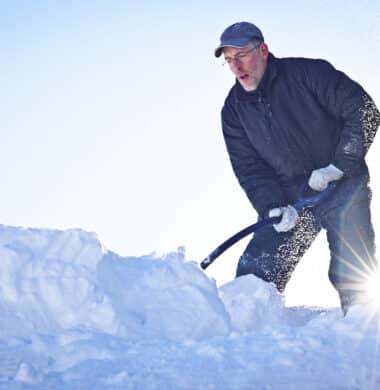
Heart attacks are more common in the winter than during other seasons. The spike in heart attack rates relates to several factors, but cold weather plays an important role.
Understanding how cold weather impacts your heart and when to see a cardiologist can help you avoid major, possibly dangerous, heart problems.
Symptoms of Cold-Related Heart Problems
First, it’s important to understand what symptoms might point to cold-related heart problems.
Chest pain is one of the key warning symptoms of cold-related heart problems. Don’t ignore chest pain if it is severe, doesn’t go away, or is accompanied by:
- Shortness of breath
- Dizziness or lightheadedness
- Nausea or vomiting
- Cold sweat
- Pain, tingling, or numbness in the:
- Jaw
- Neck
- Shoulders
- Back
- Arms
- Unusual weakness, fatigue, or sleepiness
- Pressure in the chest
- Sensation of heartburn or indigestion
Heart attack symptoms can be highly variable. If you are experiencing chest pain in combination with any other symptoms, consult your doctor or go to urgent care or the emergency department.
Why Cold Weather Impacts Heart Health
People are often surprised that heart attacks increase during the winter, but it makes sense when you understand how your body responds to cold weather. In cold conditions, your body releases vasoconstrictors, which causes your blood vessels to narrow. The goal is to reduce heat loss via blood vessels, but it also increases your blood pressure. Plus, your heart has to work harder to push blood through the narrowed blood vessels.
At the same time, your body releases stress hormones to stimulate your body’s energy production, which also increases your heart rate and blood pressure. The result is much higher blood pressure and heart strain than you’d expect from your level of activity.
As a result, people with known heart conditions can see issues flare up during cold-weather activities. People who didn’t know they had heart conditions often discover them during cold-weather activities.
When to See a Cardiologist about Heart Symptoms
As we mentioned before, if you’re experiencing the symptoms that could indicate a heart attack, you should consult your doctor or go to urgent care or the emergency department.
If you have known heart conditions, it’s a good idea to talk to your cardiologist before winter about how you should approach common cold weather activities, such as:
- Shoveling snow
- Winter sports
- Putting up seasonal decorations
- Outdoor festivities
Your doctor will advise you about whether your heart health supports these activities. Maybe it’s time to finally pay those neighborhood kids who keep asking to shovel your driveway.
If you haven’t previously had heart symptoms, you should talk to your doctor about any new chest pain, unexpected fatigue, excessive heart rate, or heart palpitations. Until you can get an appointment, it might be smart to skip activities that trigger these symptoms and consider taking steps toward a heart-healthy lifestyle.
Practical Steps to Protect Your Heart During Cold Weather
To reduce the likelihood of traumatic heart symptoms during winter weather, take a few simple steps to protect yourself.
- Dress in layers: Protect yourself with are least two layers: a moisture-wicking base layer and a wind-resistant outer layer. Additional layers also create extra air reservoirs that aid with insulation.
- Get fully covered: Don’t forget that you can lose a lot of heat through your head. Plus your hands will get cold touching cold items outdoors. Wear a hat, gloves, and a water-proof pair of boots. You can also lose a lot of heat through your neck. If it’s not adequately covered by your coat and/or hat, choose a scarf.
- Warm up inside: If you are going to be active outside, start by ramping up your activity indoors so that your heart rate rises gradually.
- Don’t overdo it: Know your activity limits and don’t push yourself too hard. Push snow when you can, rather than lifting it, and don’t take overlarge shovels of heavy snow.
- Listen to your body: If you start feeling tired, take a break, and if you start to get cold, go inside briefly to warm up.
- Stay hydrated: It’s easy to forget to drink water during cold weather, but between the low temperatures outdoors and forced air heating inside, the air can be dry, and that contributes to dehydration.
- Enjoy in moderation: The holidays can tempt you to eat too much, drink too much alcohol, and otherwise indulge in unhealthy behaviors. Keeping yourself under control and not drinking alcohol too close to activity can help your heart.
- Control stress: The holidays can be a stressful time for many people. Try to find healthy ways to control stress to avoid additional strain on your heart.
Following these guidelines will help your body adapt to the cold without becoming overstressed.
South Denver Cardiology Is Here to Help
At South Denver Cardiology, our doctors are experts in both the treatment and prevention of heart disease symptoms. We have numerous dedicated specialty clinics to help you get the best possible advice and treatments for your particular condition, including our:
Our approaches combine the most advanced cardiology techniques with comprehensive lifestyle interventions to help each patient get the best treatment to help them achieve the results they desire. Through our Device Clinic and our Structural Heart Clinic, we occupy a national leadership position in the delivery of advanced treatments and devices. However, we also offer a Mind/Body Studio and a Medical Fitness Gym to help us offer a balanced approach to our patients’ conditions and find the solution that suits a person’s mental and physical condition.
Please contact us today to learn how South Denver Cardiology can help you enjoy the winter season without putting your heart health at risk.
Frequently Asked Questions: Cold Weather and Heart Health
Why are heart attacks more common in winter?
Heart attacks are more common in winter partly because cold weather puts extra strain on the heart. When the body is exposed to cold, it narrows blood vessels to reduce heat loss and releases stress hormones that increase heart rate. Together, these responses raise blood pressure and make the heart work harder than usual for the same level of activity.
How does cold weather affect blood pressure?
Cold weather raises blood pressure by causing blood vessels to constrict. The body releases vasoconstrictors to conserve heat, which narrows the vessels and forces the heart to pump harder to move blood through them. Stress hormones released in the cold add to this effect, further increasing heart rate and blood pressure.
What are the warning signs of a cold-related heart problem?
Chest pain or chest pressure is the key warning sign of a cold-related heart problem, especially when it is severe, persistent, or accompanied by other symptoms. These include shortness of breath, dizziness, nausea or vomiting, a cold sweat, unusual fatigue, a sensation like heartburn, or pain, tingling, or numbness in the jaw, neck, shoulders, back, or arms.
What should I do if I have chest pain in cold weather?
If you have chest pain along with any other heart attack symptoms, contact your doctor or go to urgent care or the emergency department right away. Heart attack symptoms vary widely from person to person, so chest pain combined with symptoms like shortness of breath, dizziness, or arm or jaw pain should never be ignored.
Is shoveling snow dangerous for your heart?
Shoveling snow can be risky for people with heart conditions because it combines strenuous effort with cold-induced strain on the heart. South Denver Cardiology recommends that people with known heart conditions talk to their cardiologist before winter about activities like shoveling. When shoveling, push snow rather than lifting it, and avoid lifting large, heavy loads.
Can cold weather reveal a heart condition I didn’t know I had?
Yes. Many people discover previously unknown heart conditions during cold-weather activities, because the cold increases the heart’s workload. Anyone who notices new chest pain, unexpected fatigue, an unusually high heart rate, or heart palpitations should talk to a doctor and consider avoiding activities that trigger those symptoms until they are evaluated.
How can I protect my heart during cold weather?
You can protect your heart in cold weather by staying warm, pacing your activity, and limiting extra strain. Practical steps include dressing in at least two layers, covering your head, hands, and neck, warming up indoors before outdoor activity, taking breaks when tired, staying hydrated, limiting alcohol before activity, and managing holiday stress.
What should I wear outside in winter to reduce heart strain?
Wear at least two layers: a moisture-wicking base layer and a wind-resistant outer layer, since additional layers trap air and improve insulation. Complete your outfit with a hat, gloves, waterproof boots, and a scarf if your neck isn’t covered, because staying warm reduces the cold stress that strains your heart.
Why does dehydration matter for heart health in winter?
Dehydration is easy to overlook in winter because cold outdoor air and indoor forced-air heating both create dry conditions. People often drink less water when it’s cold, so making a conscious effort to stay hydrated is one of the simple steps recommended for protecting your heart during cold weather.
When should someone with a heart condition see a cardiologist about winter activities?
People with known heart conditions should see a cardiologist before winter begins to discuss which cold-weather activities are safe. These include shoveling snow, winter sports, putting up seasonal decorations, and outdoor festivities. A cardiologist can advise whether your current heart health supports these activities.

- What’s the Difference between SVT and AFib? - October 30, 2026
- What Causes Heart Palpitations at Rest? - October 19, 2026
- How Does Cold Weather Impact Heart Health - October 6, 2026
Sign Up
As with any health concerns, your specific treatment program should be discussed thoroughly with your primary care physician as well as any specialists who may need to be consulted – like a cardiologist.
Sign Up