

Heart Attack vs. Heart Failure

Key Takeaways:
A heart attack is an acute medical emergency caused by a blocked artery that cuts off blood supply to the heart, requiring immediate treatment such as angioplasty or stenting. Heart failure is a chronic, progressive condition in which the heart gradually loses its ability to pump blood effectively, managed long-term through medications, lifestyle changes and in advanced cases, implanted devices. Though both conditions share coronary artery disease as a primary cause and some overlapping symptoms, they differ significantly in onset, presentation and treatment. A prior heart attack increases the risk of developing heart failure. Both conditions share common risk factors, including high blood pressure, diabetes, obesity and smoking, that can be reduced through lifestyle changes.
Heart disease is the leading cause of death in the United States, and heart attack and heart failure are two of its most common and serious forms. While they’re frequently confused, they are distinct conditions with different symptoms and treatments. Understanding the difference between heart attack and heart failure, along with their specific warning signs, will help ensure you take the proper actions.
What Is a Heart Attack?
A heart attack occurs when the blood supply to the heart becomes blocked, typically by a blood clot or a buildup of plaque that obstructs one of the arteries leading to the heart. If the proper blood supply isn’t restored quickly, the affected heart muscle can sustain permanent damage or die from lack of oxygen.
The primary cause of heart attacks is coronary artery disease, a condition that develops when cholesterol and fatty deposits build up inside your coronary arteries. Eventually this buildup hardens into plaque, causing a blockage of the artery.
Heart attacks usually happen suddenly and result in the following symptoms:
- Chest pain
- Shortness of breath while at rest
- Pain radiating into the arms, back, shoulders, neck, jaw or stomach
- Fatigue
- Cold sweats
- Nausea and vomiting
- Lightheadedness or dizziness
Not all of these symptoms are present in every heart attack. However, if you experience one or more of these symptoms, especially when accompanied by chest pain, it may be a sign you’re having a heart attack.
How Are Heart Attacks Treated?
Heart attacks are considered a medical emergency that require immediate treatment. If you believe you’re exhibiting symptoms of a heart attack, call 911 right away. Immediate treatment from paramedics typically involves using blood thinners to prevent additional blood clots and nitroglycerin to facilitate blood flow to the heart.
In most instances, you’ll need one of the following procedures to open the blocked artery:
- Coronary Angioplasty – A balloon is used to open the artery and restore blood flow.
- Stenting – A small mesh tube, called a stent, is placed in the artery to hold it open. Stents are often used during a coronary angioplasty.
- Coronary Artery Bypass Grafting – A healthy blood vessel from another part of the body is used to reroute blood flow around the blockage. This procedure is generally reserved for situations where there is a severe heart attack.
What Is Heart Failure?
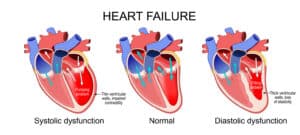 Heart failure is a progressive condition that occurs when your heart isn’t able to pump blood effectively enough to sufficiently supply the needs of the organs in your body. Over time, your heart will gradually become weaker, causing the condition to worsen. In order to compensate, your heart may pump faster or develop additional muscle mass. Eventually, heart failure will cause fluid to build up in the lungs, legs and abdomen.
As with a heart attack, the primary cause of heart failure is coronary artery disease. However, heart failure can have a variety of other potential causes, including:
- Heart valve disease
- Congenital heart defects
- Arrhythmia (irregular heartbeat)
- Cardiomyopathy
- Viral infections that inflame the heart muscle
- Systemic health conditions such as high blood pressure or diabetes
- Excessive alcohol consumption
- Obesity
Common symptoms of heart failure include:
- Shortness of breath, especially when lying down
- Fast or irregular heartbeat
- Persistent wheezing or coughing
- Swelling in the legs, ankles or feet
- Fatigue
- Sudden weight gain from fluid retention
- Difficulty concentrating
How Is Heart Failure Treated?
Heart failure is a chronic condition that must be managed over the course of your life. Depending on the type of heart failure you have, your treatment plan may involve one or more of the following:
- Lifestyle changes, which may include:
- Losing weight
- Reducing salt in your diet
- Getting regular exercise
- Quitting smoking
- Reducing alcohol consumption
- Medications, which may include:
- Diuretics
- ACE inhibitors
- SGLT2 inhibitors
- Beta-blockers
- Angiotensin neprilysin inhibitors
- Mineralocorticoid receptor antagonists
In some instances, you may need a surgical procedure to implant a pacemaker to help your heart pump in the proper rhythm or a defibrillator to steady your heartbeats.
A Heart Attack Can Increase Your Risk of Heart Failure
 If you’ve had a heart attack, it can place you at increased risk of heart failure. During a heart attack, your heart muscle can become damaged. If enough damage is sustained, it may reduce your heart’s ability to pump blood. Receiving prompt treatment during a heart attack can help minimize the damage to your heart muscle and reduce your risk of heart failure in the future.
Preventing Heart Attacks and Heart Failure
You can take steps to reduce your risk of heart attacks and heart failure, as many of the conditions that increase your risk of these heart problems can be managed through lifestyle changes, including:
- Eating a heart healthy diet
- Getting regular exercise
- Managing conditions such as high blood pressure, high cholesterol and diabetes
- Quitting smoking
- Reducing stress
South Denver Cardiology Can Help
At South Denver Cardiology, we offer comprehensive cardiology services to help you maintain optimal heart health and reduce your risk of a heart attack or heart failure. These include:
- Diagnostic testing to detect warning signs of a heart attack or heart failure in their earliest stages so you can more effectively manage your heart condition
- Prevention Cardiology Clinic to help you prevent cardiovascular disease and other conditions which may increase your risk of a heart attack or heart failure
- Nutritional counseling to help you establish a heart healthy diet
- Medical weight loss clinic to help you reach and maintain a heart healthy weight
- Medical fitness gym to help you create a customized exercise routine that is safe for your heart condition
- Mind/body studio to help you manage stress more effectively
In addition, we offer robust treatment services if you’ve had a heart attack or are currently managing heart failure:
- Our Cardiac Rehabilitation Clinic provides a variety of treatments that play an important role in your recovery after a heart attack
- Our Transitional Heart Failure Clinic provides comprehensive support services to help slow the progression of heart failure
Contact us today to schedule an appointment. South Denver Cardiology serves patients in Denver, Littleton and the surrounding areas.

- What Happens When Afib Goes Untreated? - September 4, 2026
- What Is Preventive Cardiology? - August 31, 2026
- 7 Hidden Risk Factors of Heart Disease Most People Ignore - July 9, 2026
Sign Up
As with any health concerns, your specific treatment program should be discussed thoroughly with your primary care physician as well as any specialists who may need to be consulted – like a cardiologist.
Sign Up