

Understanding Your Heart Disease Risk Assessment
Understanding your heart disease risk factors is one of the most effective ways to protect your long-term health. Research has found that individuals with a low risk of cardiovascular disease live 10 years longer on average than people with a high risk. A comprehensive heart disease risk assessment tells you exactly where your risk stands and which preventive steps make the most difference for your specific situation.
What Is a Heart Disease Risk Assessment?
A heart disease risk assessment provides you with a clinical estimate of your chances of developing cardiovascular disease over a set time period. It consists of a series of screening tools, including:
- Lab results
- Medical history
- Vital signs
- Lifestyle factors
- Diagnostic testing
- Physical examination
Your cardiologist will use the results from your heart disease risk assessment to:
- Evaluate your current health
- Identify your risk of developing conditions that contribute to heart disease
- Recommend lifestyle adjustments and treatments that will help lower your risk of heart disease
- Discuss further diagnostic testing to evaluate your risk
A heart disease risk assessment helps you understand your current risk so you know which preventive steps to take.
What Factors Are Evaluated During a Heart Disease Risk Assessment?
A heart disease risk assessment will evaluate a variety of factors that can contribute to the development of heart disease. These include your:
- Age
- Gender
- Family history of early heart disease
- Blood pressure
- Cholesterol levels
- Diabetes status
- Weight
- Diet
- Activity levels
- Tobacco use
- Alcohol consumption
While some of these risk factors are out of your control, you can take steps to lower your overall risk of heart disease by managing the other factors.
Blood Pressure
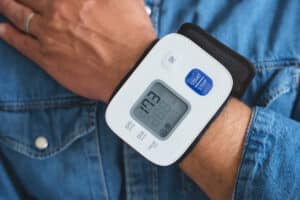 High blood pressure is one of the biggest risk factors associated with heart disease. It occurs when the force blood exerts on your artery walls rises to an elevated level. High blood pressure, which is typically diagnosed when your reading is consistently above 130/80, can place greater stress on your heart, increasing your risk of conditions such as a heart attack or stroke. High blood pressure can be managed with medications and lifestyle changes, and taking these steps can significantly reduce your risk of heart disease.
Cholesterol Levels
Cholesterol is a waxy, fatty substance in your blood. Your body produces cholesterol, and the foods you consume can add to the amount of cholesterol naturally present in your body. When your body has more cholesterol than it needs and for other reasons, the excess cholesterol can build up in the walls of your arteries, causing them to become narrower. This decreases the flow of blood to the heart, forcing it to work harder to pump blood throughout your body.
There are two types of cholesterol:
- HDL (High-Density Lipoprotein) Cholesterol – This is considered to be “good” cholesterol, and higher levels of it provide your body with protection against heart disease.
- LDL (Low-Density Lipoprotein) Cholesterol – This is considered to be “bad” cholesterol that results in the buildup of plaque in your arteries.
Having high LDL cholesterol, low HDL cholesterol or both can significantly increase your risk of heart disease. These levels are measured using a blood test called a lipid profile. High cholesterol levels can be managed with medication and adjustments to your diet, allowing you to reduce your risk of heart disease.
Diabetes
Diabetes occurs when your body isn’t able to produce enough insulin to process glucose (sugar) and provide your cells with energy, or when your body isn’t able to use the insulin it produces effectively. This condition causes sugar to build up in your blood and increase plaque buildup in your arteries. Over time, this can result in artery damage that contributes to heart disease. Both diabetics and prediabetics have an increased risk of heart disease. Managing these conditions with diet, exercise and, in some instances, medication can help reduce your risk.
Obesity
Obesity is often linked to other risk factors for heart disease, such as high LDL cholesterol, low HDL cholesterol, high blood pressure and diabetes. If you’re obese, taking steps to reach and maintain a healthy weight is one of the most important steps you can take to reduce your risk of heart disease.
Lifestyle Factors
 Many of your lifestyle choices can potentially increase your risk of heart disease:
- Unhealthy Diet – Eating ultra-processed foods that are high in saturated fats, trans fat and cholesterol can increase your risk of heart disease. A diet high in sodium can increase your risk of developing high blood pressure.
- Lack of Exercise – Living a sedentary lifestyle can increase your risk of conditions such as diabetes, high blood pressure, high cholesterol and obesity. Getting regular exercise is one of the best lifestyle adjustments you can make to lower your risk of heart disease.
- Smoking – Smoking damages your heart and blood vessels, increasing your risk of heart disease. In addition, the nicotine in cigarettes can raise your blood pressure. Quitting smoking offers many health benefits, including a reduced risk of heart disease.
- Excessive Alcohol Consumption – Drinking large quantities of alcohol can increase your risk of both high blood pressure and heart disease. The Centers for Disease Control and Prevention (CDC) recommends that women limit alcohol consumption to no more than one drink per day, while men should have no more than two drinks per day.
What Are the Different Types of Heart Disease Risk Assessment Tools?
There are several different tools used to combine your risk factors to estimate your future risk of heart disease. Each tool may provide a slightly different score, but they all work in a similar manner. A higher score equates to a higher estimated risk of heart disease. These scores compared you to people of your same age, gender and with similar risk factors and try to estimate what your risk is. Some of the most common tools include:
- Atherosclerotic Cardiovascular Disease (ASCVD) Risk Calculator – This tool assesses your likelihood of developing heart disease over the next 10 years. It can also help you understand how certain treatments might lower your risk.
- Reynolds Risk Score – This tool provides a heart disease risk assessment for individuals without diabetes. It evaluates factors such as your age, gender, cholesterol levels, blood pressure and family history to determine your risk of heart disease and the steps you should take to manage your risk.
- Framingham Risk Score – This tool is similar to the ASCVD risk calculator. It estimates your 10-year risk of developing cardiovascular disease based on your age, gender, blood pressure, cholesterol levels, diabetes status and tobacco use. The results will help your cardiology team determine how aggressively they need to treat your risk factors.
How to Interpret Your Heart Disease Risk Assessment Score
 While the specific ranges for each category vary slightly based on the tool used, all heart disease risk assessment tools will provide you with a score that places your risk into one of the following categories:
- Low Risk – Making heart healthy lifestyle adjustments and going for routine follow-up assessments may be recommended.
- Borderline or Intermediate Risk – Additional testing and/or medications may be recommended to manage your risk of heart disease.
- High Risk – Preventive efforts and/or treatments may be recommended to manage your risk.
South Denver Cardiology Can Help
At South Denver Cardiology, we offer comprehensive diagnostic testing, including heart disease risk assessments, to identify conditions that may increase your risk of heart disease in their earliest stages. In addition, our Prevention Cardiology Clinic offers a wide range of services to help you manage your existing risk factors and reduce your likelihood of developing a serious heart condition.
Our clinic is also equipped to help you make many of the lifestyle adjustments necessary to lower your risk of heart disease:
- We offer nutritional consulting services to help you establish a heart healthy diet
- Our medical fitness gym gives you access to exercise specialists who will work with you to develop a customized exercise plan to improve your heart health
- Our medical weight loss clinic provides services that will help you reach and maintain a heart healthy weight
Contact us today to schedule an appointment. South Denver Cardiology serves patients in Denver, Littleton and the surrounding areas.
Heart Disease Risk Assessment FAQs
What is a heart disease risk assessment?
A heart disease risk assessment is a clinical evaluation that estimates your chances of developing cardiovascular disease over a set period of time, typically the next 10 years. It combines lab results, medical history, vital signs and lifestyle factors into a risk score, which your cardiologist uses to recommend preventive steps and treatments.
What factors are included in a heart disease risk assessment?
A heart disease risk assessment evaluates factors including your age, gender, family history of early heart disease, blood pressure, cholesterol levels, diabetes status, weight, diet, activity levels, tobacco use and alcohol consumption.
What is considered a high risk score on a heart disease risk assessment?
Heart disease risk assessment tools place your results into one of three categories: low risk, borderline or intermediate risk, and high risk. A high risk score typically means preventive efforts, medications or other treatments are needed to manage your risk of developing heart disease.
What is the difference between the ASCVD risk calculator and the Framingham Risk Score?
The Framingham Risk Score and the ASCVD Risk Calculator both estimate your 10-year risk of developing cardiovascular disease using factors such as age, gender, blood pressure and cholesterol levels. The Framingham Risk Score also includes diabetes status and tobacco use. The ASCVD calculator can show you how specific treatments might lower your risk score.
Can you lower your heart disease risk score?
Yes. You can lower your heart disease risk score by managing controllable factors such as blood pressure, cholesterol levels, weight, diet, activity levels, tobacco use and alcohol consumption. Medications, lifestyle changes and, in some cases, specialized treatments can all help reduce your risk score over time.
What blood test is used to check cholesterol levels for a heart disease risk assessment?
A blood test called a lipid profile measures your HDL (good) cholesterol and LDL (bad) cholesterol levels for a heart disease risk assessment. High LDL cholesterol, low HDL cholesterol or both can significantly increase your risk of heart disease.

- Understanding Your Heart Disease Risk Assessment - August 27, 2026
- 9 Tips to Reduce Holiday Stress - December 11, 2025
- 6 Tips for Exercising Outdoors with a Heart Condition - May 19, 2025
Sign Up
As with any health concerns, your specific treatment program should be discussed thoroughly with your primary care physician as well as any specialists who may need to be consulted – like a cardiologist.
Sign Up