

Tips for Resuming Exercise After a Heart Attack
Key Takeaways:
Patients recovering from a heart attack should enroll in a cardiac rehabilitation program, which provides medically supervised, individualized exercise guidance. Exercise resumption should begin with short walks and progress gradually to 30–45 minutes at a moderate pace. Outdoor exercise should be avoided when temperatures exceed 80°F or fall below 40°F. Early recovery workouts should remain low intensity, with heavy sweating and weight lifting avoided until a cardiologist provides clearance. Aerobic activities such as cycling, swimming and rowing are recommended before returning to strength training. Patients should stop exercising immediately and seek medical attention if they experience chest pain, dizziness, shortness of breath, leg pain or swelling, nausea or an irregular heartbeat.
Getting regular exercise after a heart attack can reduce your risk of future complications and improve your long-term health. But returning to exercise can also feel scary, and many people don’t know how to approach exercising in a way that will be safe for their heart. Here’s how to return to exercise with confidence.
Join a Cardiac Rehabilitation Program
The best way to set yourself up for success with post-heart attack exercise is to attend a cardiac rehab program. During cardiac rehab, you’ll work with physical therapists, nutritionists, exercise specialists and other experts who will help you develop the habits necessary to live a healthy life after your heart attack. These programs will help you achieve a faster and safer recovery, as well as better post-treatment outcomes.
There are a variety of factors that will impact how soon you can resume exercising and the types of exercise that will be safe for your specific heart condition:
- How extensive the damage to your heart is
- The medication you’re taking
- Your overall health and level of physical fitness
As part of your cardiac rehab program, you’ll receive customized recommendations for an exercise plan that will be safe for your heart. This will include the types of exercise you should engage in as well as when you can safely increase the intensity of your workouts.
Ease Back into Exercising
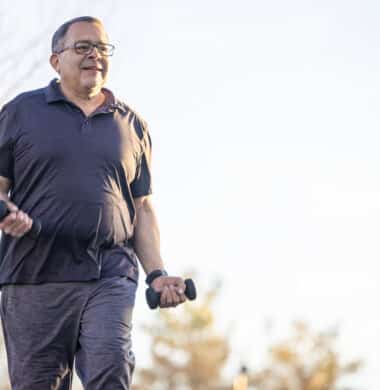
 Once you’re ready to begin exercising again, it’s best to start slow and gradually ramp up the intensity as your heart becomes stronger. When resuming exercise, start with walking, as it’s one of the safest workouts you can do after a heart attack, and it provides you with a way to slowly build intensity.
At first, take short walks around your home or yard. Keep your walks to just a few minutes. Eventually, take a short walk, rest for a few minutes, and then walk another short distance. Slowly build up to 30-45 minutes of walking at a pace that’s brisk enough to feel like your body is working, but still relaxed enough to have a conversation.
Avoid Exercising in Extreme Temperatures
Exercising in very hot or cold temperatures will force your heart to work harder. Always check the weather before exercising outdoors. If the temperature is going to be higher than 80° or lower than 40°, opt for an indoor environment instead.
Let Sweating Guide Your Exercise Intensity
If you’re sweating profusely in the early stages of returning to exercise, it’s probably a sign that you need to decrease the intensity of your workouts. The goal is to gradually ramp up the intensity, and the light workouts you do in the early stages of your recovery should be accomplished without heavy sweating. There will be plenty of time to break a sweat once you’ve made a full recovery and your heart is ready for more vigorous exercise.
Focus on Aerobic Activities
Once your cardiologist clears you to move beyond walking and engage in other light forms of physical exercise, start by focusing on aerobic activities. Cycling, rowing, swimming, water aerobics and dancing are all great ways to rebuild your cardiovascular fitness. This is a critical first step before you can resume more vigorous activities that will place greater strain on your heart. As with walking, start out slow when resuming these activities and gradually increase the duration and intensity as you get stronger.
Avoid Lifting Weights Until You Receive Medical Clearance
 While strength training provides benefits to your heart, it’s important to wait until your cardiologist clears you to lift weights. Lifting weights shortly after a heart attack can cause your blood pressure and heart rate to spike. When resuming strength training, start with light weights and gradually work up to your pre-heart attack regimen. It’s also important to avoid lifting heavy objects, shoveling snow and performing other vigorous activities that can strain your heart until your cardiologist gives you the go-ahead.
Listen to Your Body
Whenever you’re exercising after a heart attack, listen to your body and adjust your workout accordingly. If you feel like you’re getting fatigued, back off the intensity of your workout or consider ending early. If you begin experiencing any of the following warning signs of a cardiac event, stop exercising right away and seek medical attention:
- Chest pain
- Dizziness
- Shortness of breath
- Pain or swelling in your legs
- Nausea or vomiting
- Fast or irregular heartbeat
These warning signs can sometimes appear after a workout has ended. If you experience any of them in the hours following exercise, seek medical attention right away.
South Denver Cardiology Can Help
At South Denver Cardiology, we provide a variety of services to help you recover after a heart attack. Our Cardiac Rehabilitation Clinic leverages a multidisciplinary approach to rehabilitation that incorporates cardiovascular fitness, risk factor management and outcomes-based education to help you achieve the best possible outcome. We’re the first cardiac rehab clinic in Colorado to offer the Pritkin ICR™ program which focuses on exercise, a healthy mindset and a healthy diet to optimize your heart health following a cardiac event.
In addition, you’ll have access to our medical fitness gym where our certified exercise specialists will work with you develop an exercise program that is tailored to your specific fitness level, your current heart health and how far along you are in your recovery. This valuable resource will ensure you’re exercising safely after a heart attack.
Contact us today to schedule an appointment. South Denver Cardiology serves patients in Denver, Littleton and the surrounding areas.

- What Happens When Afib Goes Untreated? - September 4, 2026
- What Is Preventive Cardiology? - August 31, 2026
- 7 Hidden Risk Factors of Heart Disease Most People Ignore - July 9, 2026
Sign Up
As with any health concerns, your specific treatment program should be discussed thoroughly with your primary care physician as well as any specialists who may need to be consulted – like a cardiologist.
Sign Up