

Is Chest Pain a Cause for Concern?

Key Takeaways:
Chest pain is common and accounts for over 6.5 million emergency room visits in the United States each year. While it can signal a heart attack or other serious heart conditions such as angina, aortic dissection or pericarditis, chest pain also frequently stems from lung disorders, digestive issues like GERD, musculoskeletal injuries or anxiety and panic attacks. Heart-related chest pain often feels like pressure, squeezing or heaviness in the center or left side of the chest and may spread to the arm, jaw, neck or back, especially when accompanied by shortness of breath, nausea, dizziness or cold sweats. Pain that is sharp, linked to movement or breathing, triggered by large meals or relieved by antacids is less likely to be cardiac, but new, persistent or worsening symptoms should always be evaluated. Seek emergency care immediately for chest pain lasting more than a few minutes, recurring pressure-like pain or symptoms consistent with a heart attack, particularly if you have risk factors such as high blood pressure, high cholesterol, diabetes, smoking or a family history of heart disease.
Chest pain is very common and is the second leading cause of emergency room visits for adults in the United States, with over 6.5 million visits annually. It’s understandable that chest pain can feel scary since it’s often associated with a heart attack. This is likely the reason why it results in such a large number of emergency room visits.
While chest pain may be a sign that you’re experiencing a heart attack, it’s important to understand that there are many potential causes, and often this symptom isn’t associated with a serious issue. But the potentially life-threatening consequences associated with chest pain mean it’s never something you should completely ignore.
The following overview will help you understand the common causes of chest pain, as well as when it’s probably less serious vs. when you should likely seek emergency care. Keep in mind that anytime you experience chest pain, it’s always smart to get examined by a cardiologist to be on the safe side.
Potential Causes of Chest Pain
Chest pain can occur for a variety of reasons. Some of these potential causes are related to a medical condition, while others are typically not a cause for concern. The causes of chest pain can be grouped into the following categories:
- Heart-related causes
- Lung-related causes
- Digestive causes
- Musculoskeletal causes
- Anxiety- or panic-related causes
Heart-Related Causes
 There are several heart-related causes of chest pain, including:
- Angina – Chest pain that is caused by reduced blood flow to the heart. Angina is a symptom of coronary artery disease, and it can potentially trigger a heart attack.
- Heart Attack – Chest pain is one of the most common symptoms of a heart attack. During a heart attack, blood flow to the heart is blocked and emergency treatment is required.
- Aortic Dissection – This life-threatening condition occurs when the inner layers of your heart’s main artery, the aorta, separate and cause a rupture in the blood vessel.
- Pericarditis – This condition occurs when you develop inflammation in the sac around the heart. It causes sharp chest pain that gets worse when breathing or lying down.
Lung-Related Causes
There are a variety of lung conditions that can result in chest pain. Some of the most common include:
- Pulmonary Embolism – This condition occurs when you develop a blood clot in a lung artery, blocking blood flow to lung tissue. Chest pain from a pulmonary embolism can often feel like a heart attack.
- Collapsed Lung – When air leaks into the space between your lung and your ribs, it can cause your lung to collapse. Chest pain from a collapsed lung usually starts suddenly and can last for hours. In many instances, it will be accompanied by shortness of breath.
- Pleurisy – This condition develops when the thin layers of tissue separating your lungs from your chest wall become irritated. Chest pain from pleurisy can feel sharp and become worse when you cough or breathe.
- Pulmonary Hypertension – High blood pressure in the arteries carrying blood to the lungs can cause chest pain or pressure.
Digestive Causes
Chest pain can also be caused by digestive system disorders, such as:
- Gastroesophageal Reflux Disease (GERD) – GERD occurs when stomach acid rises up the esophagus from your stomach to your throat. It can cause a burning feeling in the chest that is commonly referred to as heartburn.
- Gallbladder or Pancreas Disease – Gallstones, as well as inflammation of the pancreas or gallbladder can result in stomach pain that extends into the chest.
- Swallowing Disorders – Conditions affecting your esophagus can make it hard to swallow, and this can result in chest pain.
Musculoskeletal Causes
If you suffer an injury that damages the structures of the chest wall, it can potentially cause chest pain. Some of the most common conditions that result in this type of chest pain include:
- Bruised or broken ribs
- Costochondritis (inflammation of the cartilage connecting your rib to your breastbone)
- Fibromyalgia and other long-term pain syndromes
Anxiety- or Panic-Related Causes
 Panic attacks are one of the most common causes of chest pain. Other symptoms of a panic attack include:
- Rapid heartbeat
- Fast breathing
- Shortness of breath
- Profuse sweating
- Nausea
- Dizziness
Panic attacks are often confused with heart attacks since the chest pain can feel similar. If you’re unsure whether you’re having a panic attack or a heart attack, you should seek medical attention right away as a precautionary measure.
What Heart-Related Chest Pain Feels Like
Understanding what heart-related chest pain feels like is critical since this is often a sign you may be having a heart attack. Keep in mind that not all heart-related chest pain feels the same. The severity, as well as the other symptoms you may experience, can vary.
In general, heart-related chest pain can feel like pressure, tightness, squeezing, heaviness or crushing pain in the center or left side of the chest. It’s also common for the pain to spread to the shoulder, arm, back, neck, jaw or upper belly. Your chest pain may build over several minutes, or it may come and go. In addition, it often appears with physical exertion or emotional stress.
When chest pain is caused by a heart attack, it will often be associated with one or more of the following symptoms:
- Shortness of breath
- Fatigue
- Light headedness
- Sudden dizziness
- Nausea or vomiting
- Cold sweat
When Chest Pain Is Likely Not a Cause for Concern
Often, it can be hard to tell if your chest pain is being caused by a heart problem or something else. In general, chest pain is less likely to be a heart emergency if the pain:
- Is sharp, easy to point to with one finger, and clearly linked to movement, deep breaths or pressing on a specific sore spot (this often indicates a muscle or chest-wall related cause)
- Feels like burning behind the breastbone, shows up after big meals and improves with antacids (this is often a sign that your pain is due to heartburn)
- Only lasts a few seconds at a time and doesn’t get worse when walking or climbing stairs
- Gets worse when you cough or breathe deeply
- Lasts for several hours or days
- Consistently occurs during high-stress situations and feels like panic (this is often a sign you’re having a panic attack)
In addition, your chest pain is less likely to be related to a heart condition if it’s accompanied by:
- Trouble swallowing
- A sour taste or a feeling of food coming back up into your mouth
- Tenderness when you push on your chest
Even if your pain fits these patterns, it’s still worth bringing up with your doctor, especially if the pain is new, frequent or interfering with your daily life.
When to Worry About Chest Pain
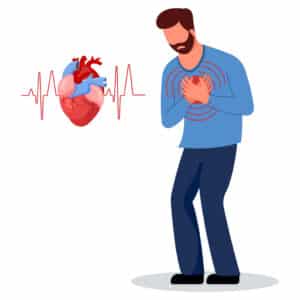 It’s critical to seek emergency medical attention right away if you think you might be having a heart attack. Call 911 immediately if you have chest pain that:
- Lasts more than a few minutes, or goes away and comes back
- Feels like heavy pressure, squeezing or crushing
- Is accompanied by one or more of the other common heart attack symptoms discussed above
In addition, you should seek urgent medical care right away if your chest pain is getting more frequent, more intense or happening with less activity than before. In addition, chest pain may be a cause for concern and require an examination by a cardiologist if you have one or more of the following risk factors for heart disease:
- High blood pressure
- High cholesterol
- Diabetes
- Smoking
- Family history or heart disease
South Denver Cardiology Can Help
Due to the potentially life-threatening consequences that can occur when chest pain is caused by a heart-related issue, it’s always a good idea to get examined by a cardiologist even if your symptoms seem like they may be due to another issue. This can help you rule out the presence of a heart condition or if one exists, ensure you receive the treatment you need in a timely manner.
At South Denver Cardiology, we offer comprehensive diagnostic testing services to help you determine the cause of your chest pain. If it’s associated with a heart-related issue, our team can recommend a customized treatment plan to manage your condition and optimize your heart health. Our comprehensive cardiology services include:
- Interventional cardiology services that consist of catheter-based, minimally invasive treatments for a wide range of heart conditions
- Cardiac rehabilitation services to help you recover after a cardiac event
- Minimally invasive heart surgery procedures
- Treatment for chest pain caused by pulmonary hypertension
Contact us today to schedule an appointment. South Denver Cardiology serves patients in Denver, Littleton and the surrounding areas.

- Is Chest Pain a Cause for Concern? - March 12, 2026
- Do I Need to Worry About a Rapid Heartbeat? - March 5, 2026
- Common Heart Attack Symptoms Among Women - February 6, 2026
Sign Up
As with any health concerns, your specific treatment program should be discussed thoroughly with your primary care physician as well as any specialists who may need to be consulted – like a cardiologist.
Sign Up