
Do I Need to Worry About a Rapid Heartbeat?
Key Takeaways:
A rapid heartbeat is defined as a resting heart rate above 100 beats per minute and can range from normal sinus tachycardia triggered by stress, exercise or stimulants to more serious rhythm disorders such as supraventricular tachycardia or ventricular tachycardia. In many cases, temporary increases in heart rate caused by physical exertion, anxiety or caffeine are benign and resolve on their own. However, a rapid heartbeat accompanied by chest pain, fainting, severe shortness of breath, confusion or an existing heart condition may signal a dangerous cardiac rhythm abnormality and requires immediate medical attention. If symptoms are recurrent, unexplained or concerning, evaluation by a cardiologist — particularly an electrophysiology specialist — can determine the underlying cause and guide appropriate treatment.
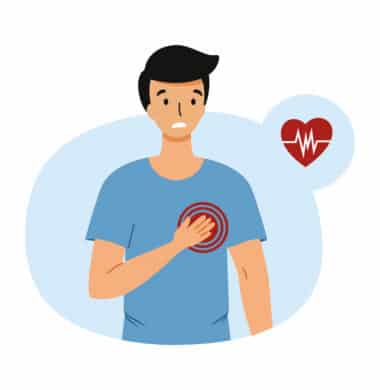
A sudden pounding or racing heart can feel scary, especially when it seems to come out of nowhere. For many people, these “heart flutters” are harmless responses to stress, exercise or everyday stimulants like caffeine. But sometimes a rapid heartbeat is your body’s way of signaling that something more serious is going on.
It’s important to understand which symptoms and patterns associated with a rapid heartbeat are a cause for concern and should prompt you to visit a cardiologist for an evaluation. The following overview will help you understand the situations when a rapid heartbeat is typically normal and when it’s best to seek treatment.
What Is a Rapid Heartbeat?
Your heart beats continuously to pump oxygen-rich blood to the tissues and muscles in your body. While the exact amount of blood your heart needs to pump varies based on the specific needs of your body at the time, the normal average resting heart rate is considered to be between 60 and 100 beats per minute. When your heartbeat exceeds 100 beats per minute at rest, it is considered a rapid heartbeat.
There are many different types of rapid heartbeats:
- Sinus Tachycardia – This is typically considered a normal rapid heartbeat and is triggered by an external stimulus, such as exercise, stress, fear, pain or drugs. In most instances, sinus tachycardia isn’t a cause for concern.
- Supraventricular Tachycardia – This condition refers to a rapid heartbeat that starts in the upper chambers of the heart. It can result in a pounding heartbeat that starts and ends abruptly.
- Ventricular Tachycardia – This type of rapid heartbeat starts in the lower heart chambers. In most instances, you’ll experience brief episodes which only last a few seconds and aren’t a cause for concern. However, when ventricular tachycardia episodes last longer than a few seconds, the condition can become life threatening.
Common Symptoms of a Rapid Heartbeat
 In some instances, you may not experience any symptoms with a rapid heartbeat, and it might only be identified during a routine checkup or when undergoing a heart test for another reason. When symptoms occur with a rapid heartbeat, they may include:
- Heart palpitations (racing, pounding heartbeat)
- Chest pain
- Lightheadedness
- Dizziness
- Fainting
- Shortness of breath
- Rapid pulse
- Weakness
- Anxiety
- Decrease in exercise capacity
Causes and Risk Factors of a Rapid Heartbeat
There are many potential causes of a rapid heartbeat, and the exact cause of your condition will depend on the type of rapid heartbeat you experience. Sinus tachycardia is typically caused by an external stimulus, such as:
- Stress
- Exercise
- Fear
- Anxiety
- Excessive caffeine consumption
- Smoking
- Certain medications
- Cocaine, methamphetamine or other illegal stimulant drugs
- Hyperthyroidism (overactive thyroid)
- Changes in electrolyte levels in your body
- Fever
Supraventricular and ventricular tachycardia are typically caused by an abnormally functioning electrical system in your heart. Common conditions which may cause these types of rapid heartbeat include:
- Structural heart disease
- Heart attack
- Heart failure
- Heart surgery
- Myocarditis (heart infection)
- Obesity
- Sleep apnea
In addition, the following factors might increase your risk of a rapid heartbeat:
- Age
- Family history of heart rhythm disorders
- High blood pressure
- Pregnancy
Common Situations Where a Rapid Heartbeat Is Likely Benign
 There are many instances when a rapid heartbeat should be expected and isn’t a sign for concern. These include:
- During Exercise or Serious Physical Exertion – Vigorous exercise and other forms of serious physical exertion will cause your heartbeat to rise. This is normal, and your heart rate should gradually return to normal after physical activity has stopped.
- During Periods of Acute Stress, Anxiety or Strong Emotions – Stress, anxiety and strong emotions can trigger a fight-or-flight response that causes your heart to beat faster. Your heart rate will usually return to normal once you calm down.
- After Consuming Caffeine, Energy Drinks, Nicotine and Some Cold Medicines – These substances can trigger a rapid heartbeat when consumed in large quantities, especially if you are sensitive to these substances.
When your rapid heartbeat is brought on by one of these triggers, it likely doesn’t require getting examined by a cardiologist as long as symptoms subside and your heart rate returns to normal shortly afterwards.
Common Situations Where a Rapid Heartbeat Is a Cause for Concern
Your rapid heartbeat may be a sign of a serious issue if it’s accompanied by:
- Chest pain, pressure or tightness
- Severe shortness of breath or trouble breathing at rest
- Fainting, near fainting or sudden severe dizziness
- Confusion, weakness or a sense of impending doom
- A known heart condition, especially when your new heart rate is very rapid
In these situations, a rapid heartbeat may potentially be life threatening without prompt treatment. It should be considered a medical emergency, and you should seek emergency care right away.
South Denver Cardiology Can Help
Even in situations where a rapid heartbeat seems benign, it can be a good idea to get examined by a cardiologist to ensure it’s not a sign of a serious condition. At South Denver Cardiology, we offer comprehensive diagnostic testing services to determine the cause of your rapid heartbeat. If it’s being caused by an underlying heart condition, we can recommend the proper treatment plan to address the issue.
Our Electrophysiology Clinic specializes in the detection and treatment of abnormal heart rhythms, including rapid heartbeats. Our team includes some of the finest electrophysiologists in the Denver area. They are consistently developing cutting-edge treatments, publishing papers in scientific journals, presenting their work at international electrophysiology meetings and serving as mentors who teach cutting-edge techniques to other electrophysiologists. This specialization ensures you receive the exceptional quality care necessary to manage any condition causing your rapid heartbeat.
Contact us today to schedule an appointment. South Denver Cardiology serves patients in Denver, Littleton and the surrounding areas.

- Is Chest Pain a Cause for Concern? - March 12, 2026
- Do I Need to Worry About a Rapid Heartbeat? - March 5, 2026
- Common Heart Attack Symptoms Among Women - February 6, 2026
Sign Up
As with any health concerns, your specific treatment program should be discussed thoroughly with your primary care physician as well as any specialists who may need to be consulted – like a cardiologist.
Sign Up