
Common Heart Attack Symptoms Among Women
Key Takeaways:
Heart disease is the leading cause of death for women in the United States, and heart attack symptoms in women often differ from the classic signs seen in men. While chest pain is common, women are more likely to experience subtler symptoms such as chest pressure or tightness, shortness of breath, nausea, unusual fatigue, lightheadedness, indigestion, or pain in the back, neck, jaw, arms, or stomach. Because these symptoms can be less intense or mistaken for non-cardiac issues, women frequently delay seeking care, which increases the risk of serious heart damage or death. Recognizing these warning signs early and seeking immediate medical attention is critical. Women can reduce their risk of heart attack by understanding personal risk factors, managing blood pressure, cholesterol, and blood sugar, maintaining a heart-healthy diet, exercising regularly, avoiding smoking, and limiting alcohol intake.
There is a common misconception that heart attacks primarily affect men. However, heart disease is the top cause of death for women in the United States, and it’s important for women to understand the warning signs of a heart attack, which can be different than the most common symptoms impacting men.
February is American Heart Month, and South Denver Cardiology is commemorating this event by providing our community with important educational information to help raise awareness for some of the most common heart conditions impacting Americans. The following overview will help women understand what to watch out for and the important steps to take in the event that you experience symptoms of a heart attack.
Chest Pain During a Heart Attack Can Feel Different for Women than Men
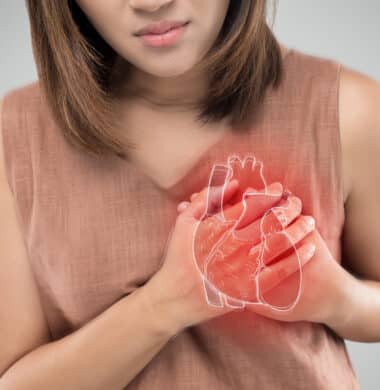
 Chest pain is the most common heart attack symptom experienced by both men and women, but this chest pain often feels different for women having a heart attack than for men. Men often experience intense, severe chest pain as the primary symptom during a heart attack, while women typically describe the sensation as feeling more like pressure, tightness or discomfort which can be overshadowed by other symptoms.
During a heart attack, men are more likely to report chest pain that:
- Feels sudden, severe, crushing or heavy
- Is located in the center or left side of the chest, often radiating down the left arm
- Is often accompanied by intense sweating
Women, on the other hand, typically report chest pain that:
- Is less intense, registering more as discomfort than severe pain
- Feels like pressure, squeezing, fullness or tightness that may either be intermittent or last more than a few minutes
- May not be the strongest symptom experienced
- Is less pronounced than pain in other areas of the body
Because women’s chest pain is often less intense, less localized in the heart region or overshadowed by other symptoms, they are more likely to attribute this symptom to other issues or delay seeking treatment entirely. However, it’s important to understand that chest pain is cause for concern, and women should seek medical treatment when their chest pain is accompanied by other heart attack symptoms.
Other Common Heart Attack Symptoms Among Women
In addition to chest pain, some of the most common heart attack symptoms among women include:
- Pain or discomfort in the arms, back, neck, stomach or jaw
- Shortness of breath (with or without chest discomfort)
- Lightheadedness
- Nausea
- Breaking out in a cold sweat
- Sudden fatigue
- Indigestion or heartburn
Why Do Women Often Delay Seeking Heart Attack Treatment?
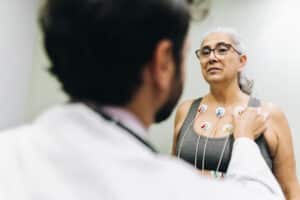 The more subtle and diverse nature of heart attack symptoms among women often results in a delay in seeking treatment. Many of the symptoms experienced by women are easy to misread. For example, fatigue, nausea, indigestion, or pain that isn’t located near the heart can be attributed to a variety of conditions, including the flu, acid reflux, stress or poor sleep.
In addition, many women aren’t aware that they experience different heart attack symptoms than men. This lack of knowledge regarding the most typical warning signs can increase the likelihood that these symptoms will be misinterpreted or viewed as being caused by something less serious than a heart attack.
Unfortunately, delaying treatment can have devastating consequences. The longer you wait to receive treatment, the more likely you are to experience more extensive damage to your heart, increasing your risk of heart failure, long-term disability or even death. For this reason, it’s critical to seek medical treatment immediately if you experience any of the symptoms discussed above.
How Women Can Reduce Their Risk of a Heart Attack
There are a variety of steps you can take to reduce your risk of a heart attack:
- Understand Your Risk Factors – Conditions such as high blood pressure, high cholesterol or diabetes can increase your risk of a heart attack. Menopause or a history of pregnancy complications can also increase your risk. Scheduling regular visits with a cardiologist is an important way to mitigate these risk factors and ensure you detect any signs of cardiovascular disease in their earliest stages.
- Know Your Numbers – Work with your primary care doctor and your cardiologist to make sure you’re properly managing your cholesterol, blood pressure and blood sugar levels.
- Eat a Heart Healthy Diet – Eat a diet rich in lean proteins, fruits and vegetables, and whole grains. Limit your consumption of ultra-processed foods, as well as items that are high in sodium or added sugars.
- Exercise Regularly – Aim for at least 150 minutes a week of moderate-intensity exercise or 75 minutes of vigorous exercise.
- Quit Smoking – Smoking damages your blood vessels and increases the likelihood of plaque buildup, which can trigger a heart attack.
- Limit Alcohol Consumption – Excessive alcohol consumption has been found to increase your risk of heart disease.
South Denver Cardiology Can Help
At South Denver Cardiology, we provide comprehensive cardiology services to help you manage your heart condition and reduce the risk of a heart attack:
- Our diagnostic testing services can help you detect cardiovascular disease and warning signs of a heart attack in their earliest stages, ensuring prompt treatment
- Our Prevention Cardiology Clinic provides diagnostic evaluation, risk stratification and management services to help you prevent cardiovascular disease and other conditions which may trigger a heart attack
- Our Cardiac Rehabilitation Clinic provides a variety of treatments that play an integral role in your recovery after a heart attack
Contact us today to schedule an appointment. We serve patients in Denver, Littleton and the surrounding areas.

- Is Chest Pain a Cause for Concern? - March 12, 2026
- Do I Need to Worry About a Rapid Heartbeat? - March 5, 2026
- Common Heart Attack Symptoms Among Women - February 6, 2026
Sign Up
As with any health concerns, your specific treatment program should be discussed thoroughly with your primary care physician as well as any specialists who may need to be consulted – like a cardiologist.
Sign Up