

Does High Blood Pressure Affect My Heart Health?

Key Takeaways:
High blood pressure (hypertension) is a common, often symptomless condition that significantly increases your risk of heart disease by forcing your heart to work harder and damaging your blood vessels over time. Persistently elevated blood pressure (130/80 mmHg or higher) can lead to structural changes in the heart, including thickening of the heart muscle (left ventricular hypertrophy), reduced pumping efficiency and a higher likelihood of heart failure, arrhythmias and heart attack. It also damages artery walls, accelerating plaque buildup (atherosclerosis) and restricting blood flow, particularly to the heart. Key risk factors include age, family history, poor diet, obesity, inactivity and chronic stress, but many of these are manageable through lifestyle changes such as improved nutrition, regular exercise, weight management and smoking cessation. Because hypertension rarely presents early symptoms, routine screening and early intervention are critical, with evidence showing that proactive management can reduce the risk of major cardiovascular events by 30–40%.
High blood pressure impacts nearly half of American adults. It’s often referred to as the “silent killer” because you typically won’t develop symptoms or warning signs until serious damage has been done to your arteries and organs. If left untreated, high blood pressure can result in heart disease, as well as serious complications such as heart attack, stroke or heart failure. Understanding the connection between high blood pressure and your heart health is critical for preventing serious complications and maintaining optimal heart health while managing this dangerous condition.
What Is High Blood Pressure?
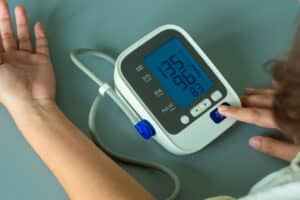 Your blood pressure is a measurement of the force your blood exerts on the walls of your arteries as it’s being pumped through your body. There are two numbers to your blood pressure measurement:
- Systolic Pressure – This is the first number in your blood pressure figure, and it measures the pressure while you’re heart is beating to push blood through your arteries.
- Diastolic Pressure – This is the second number in your blood pressure figure, and it measures the pressure when your heart is at rest.
Normal blood pressure is typically considered to be under 120/80 mmHg, and high blood pressure occurs when you consistently exceed 130/80 mmHg. Your blood pressure fluctuates during the day based on factors such as your activity and stress levels, but when your blood pressure is consistently in the elevated range, it’s a sign that you have a condition called hypertension (high blood pressure).
Because there are typically no warning signs associated with high blood pressure until it’s done significant damage to your organs and your cardiovascular system, it’s critical to get your blood pressure checked on a regular basis. This will ensure hypertension is detected in its earliest stages, allowing you to properly manage the condition.
Impact of High Blood Pressure on Your Heart
High blood pressure forces your heart to work harder to pump blood to the other areas of your body. Over time, this additional strain can potentially damage your heart and your blood vessels, increasing your risk of serious heart disease complications.
When you have high blood pressure, your heart must generate additional force every time it beats. This will cause the wall of your heart muscle to thicken and become enlarged, a condition called left ventricular hypertrophy. Eventually, your heart becomes stiff and pumps blood less efficiently. This increases your risk of:
- Heart Failure – High blood pressure is one of the leading causes of heart failure, increasing your risk of the condition by 71%. The constant strain on your heart caused by an increased workload will weaken your heart’s pumping ability, preventing it from supplying enough blood to the other organs in your body.
- Irregular Heart Rhythms – The structural changes that occur to your heart when you have high blood pressure can disrupt the electrical signals controlling your heart’s rhythm. This can cause you to develop serious irregular heart rhythms (arrhythmias), including atrial fibrillation (AFib).
Impact of High Blood Pressure on Your Arteries
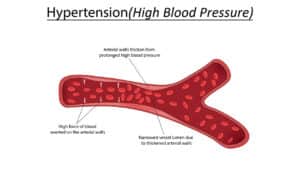 Over time, high blood pressure can damage the inner lining of your arteries, making it easier for fat, cholesterol and other plaque-forming substances to build up along your artery walls. This leads to a condition called atherosclerosis, where your arteries become narrowed, reducing blood flow to the organs in your body. Atherosclerosis forces your heart to work even harder to pump blood through these narrow blood vessels, creating a cycle where artery damage increases your blood pressure even more, further elevating the strain on your heart.
The arteries supplying blood to your heart are especially susceptible to damage when you have high blood pressure. When these arteries are damaged, it results in a condition called coronary artery disease which prevents your heart from receiving proper oxygen and nutrient levels. This can increase your risk of serious complications such as heart attacks.
Risk Factors for High Blood Pressure
There are a variety of factors that may increase your risk of high blood pressure, including:
- Age – Your arteries lose flexibility as you get older, increasing your risk of high blood pressure. Men are at increased risk after 45, while women are at increased risk after going through menopause.
- Family History – Having parents or siblings with high blood pressure increases your risk.
- Diet – Eating a diet high in ultra-processed foods, sodium and saturated fats can increase your risk of high blood pressure.
- Obesity – Obesity can increase your risk of high blood pressure in several ways. Carrying excess weight forces your heart to pump additional blood to your other organs and tissues to ensure they receive sufficient levels of oxygen and nutrients. Obesity also increases insulin resistance and makes you more likely to develop conditions such as sleep apnea, which can increase your blood pressure.
- Sedentary Lifestyle – Regular exercise plays a critical role in keeping your heart and blood vessels healthy. When you live a sedentary lifestyle, it increases your risk of conditions such as high blood pressure and heart disease.
- Stress – Chronic stress can result in elevated blood pressure levels.
Tips for Preventing High Blood Pressure
 Adopting a healthy lifestyle will help you manage your blood pressure. The following tips are important for everyone, but these lifestyle modifications are especially critical if you have some of the risk factors for high blood pressure discussed above:
- Eat a Healthy Diet – A diet rich in fruits, vegetables, lean protein and whole grains will help you maintain healthy blood pressure levels.
- Limit Processed Foods – Limit your consumption of ultra-processed foods and items that are high in sodium, sugar and saturated fats since these can increase your risk of high blood pressure.
- Maintain a Healthy Weight – Even modest weight loss can often result in a significant improvement in your blood pressure levels.
- Get Regular Exercise – Getting at least 150 minutes of moderate-intensity exercise each week will help keep your heart strong and improve blood vessel function.
- Limit Alcohol Consumption – Limit alcohol to no more than one drink per day for women and two drinks per day for men, since excessive drinking can elevate your blood pressure.
- Manage Stress – If you typically experience high stress levels, engage in activities such as yoga, meditation, deep breathing and other relaxation techniques to help you more effectively manage your stress.
- Quit Smoking – Quitting smoking offers a wide range of health benefits, including a reduced risk of high blood pressure.
Early Detection Is Important
Early detection and treatment of high blood pressure play a critical role in helping to minimize the dangerous impacts to your heart health. The American Heart Association recommends annual blood pressure screenings for all individuals with normal blood pressure, and more frequent screenings if you have high blood pressure. Research from Wake Forest University School of Medicine found that early intervention can lower your risk of heart attack, stroke and heart failure by 30-40%, making regular blood pressure monitoring an essential component to your healthcare regimen.
South Denver Cardiology Can Help
At South Denver Cardiology, we offer a wide range of services to help you manage high blood pressure, including:
- Diagnostic testing to help you understand your risk of cardiovascular disease and identify any potential issues, such as high blood pressure, before they become serious
- Pulmonary Hypertension Center providing treatments and therapies to address this specific high blood pressure condition
- Medical fitness gym to help you establish a heart healthy exercise program that will make it easier to manage your blood pressure
- Nutritional counseling to help you eat a heart healthy diet that reduces your risk of high blood pressure
- Medical weight loss clinic to help you achieve and maintain a heart healthy weight
Contact us today to schedule an appointment. South Denver Cardiology serves patients in Denver, Littleton and the surrounding areas.

- What Happens When Afib Goes Untreated? - September 4, 2026
- What Is Preventive Cardiology? - August 31, 2026
- 7 Hidden Risk Factors of Heart Disease Most People Ignore - July 9, 2026
Sign Up
As with any health concerns, your specific treatment program should be discussed thoroughly with your primary care physician as well as any specialists who may need to be consulted – like a cardiologist.
Sign Up