

When to See a Cardiologist about Your Slow Heartbeat (Bradycardia)
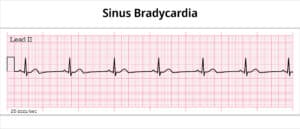
You might know that you generally have a slow heartbeat. Perhaps your doctor has mentioned it and described it as “bradycardia” and an “arrhythmia,” or irregular heartbeat. Maybe the phlebotomist mentioned it when you went to donate blood (a heartbeat that’s too slow might be a reason you’ve been turned away). Perhaps you’ve wondered whether you need to see a cardiologist about your arrhythmia.
The good news is that you probably don’t need to see a cardiologist about bradycardia. Most of the time, a slow heartbeat is no cause for concern. However, there are times when this arrhythmia can be a concern and you should talk to your cardiologist. Here’s a brief guide to help you understand when you need professional care for your bradycardia, including when to go to the emergency department for your condition.
Concerning Symptoms of Bradycardia
When bradycardia becomes a problem is when it leads to concerning symptoms. If you know you have or suspect you have bradycardia, you should go to the ER if you experience:
- Lightheadedness or dizziness
- A sudden change in alertness, including fainting or feeling like you might faint
- New or worsening confusion
- Difficulty waking up, especially if other people can’t rouse you
- Shortness of breath at rest that is new or suddenly worse
- Severe chest discomfort especially if it happens at rest
These can be signs that your bradycardia is serious and might require emergency care. In addition, you should talk to your doctor if you have mild shortness of breath or chest pain at rest, or tiredness despite getting enough sleep when these interfere with your daily life.
Your doctor or the ER doctor may refer you to a cardiologist.
What Causes Bradycardia?
Sometimes the potential cause of bradycardia can influence whether you should see a cardiologist or not. Some of the common causes of bradycardia include:
- Medications like sedatives, opioids, and certain heart medications
- Damage to heart tissue due to aging, heart disease, or heart attack
- Heart surgery complications
- Congenital heart defects
- Heart inflammation
- Hypothyroidism
- Obstructive sleep apnea
- Inflammatory diseases
If you were recently prescribed a medication that might cause bradycardia, talk to the prescribing doctor about adjusting the medication. If you are being treated for heart disease or have recently had a heart attack or heart surgery, talk to the doctor managing the condition.
Otherwise, talk to your doctor about getting a referral to a cardiologist.
Tests for Bradycardia 

Suspecting bradycardia and understanding the nature of your condition are two different things. In order to determine how severe your bradycardia is and what treatments might be appropriate, a cardiologist might recommend several tests to learn more about your bradycardia, such as:
- Electrocardiogram (ECG or EKG): Collects very complete information about the electrical activity of your heart for a relatively short period of time. Sometimes this tells us what we need to know, but other times, we might recommend additional tests.
- Holter Monitor: A wearable ECG device that you can keep on for several days to record a more complete picture of your heart function. Although the Holter monitor collects less detailed information, the longer timeframe can fill in important gaps in your cardiologist’s knowledge.
- Event Recorder: Similar to a Holter monitor, but it’s set up to only turn on and record certain events. This can help pin down the specific type of bradycardia that you have so that we can match treatments that will work for them.
- Electrophysiology study: If other tests aren’t giving us enough information to diagnose and recommend treatments for your bradycardia, we might recommend a detailed electrophysiology study. This is a comprehensive analysis of your heart’s electrical function, obtained by sliding electrodes into your heart via a vein.
When we have a good understanding of your bradycardia, we can recommend appropriate treatments.
Bradycardia Treatments
Bradycardia treatments depend on the nature and severity of your bradycardia. In many cases, no treatment is necessary at all.
If your bradycardia is due to medications, you might be able to treat it just by adjusting the dosages of relevant medications.
In more severe cases, a pacemaker is the most commonly recommended treatment for sinus bradycardia. This provides electrical signals to your heart to keep it beating at a recommended pace. Placing the pacemaker requires minor surgery.
Cardioneural ablation may be recommended for sinus bradycardia. This is recommended when some heart tissue is producing electrical signals that interfere with the regular beating of your heart. Removing the troublesome tissue will help your heart function in a more healthy way.
South Denver Cardiology Is Here to Help with Bradycardia
At South Denver Cardiology, our award-winning electrophysiology department has led the nation in many important techniques, including the first comprehensive Arrhythmia Clinic in the US. Our expertise in dealing with arrhythmias such as bradycardia, tachycardia, atrial fibrillation (A-Fib), and others. We are prepared to help you with bradycardia, whether the best treatment is simple lifestyle management or if it involves complex surgical treatments.
To learn how we can help with your bradycardia, please contact South Denver Cardiology today for an appointment at one of our seven locations.
Bradycardia (Slow Heartbeat): Frequently Asked Questions
Q: When should you see a cardiologist for a slow heartbeat (bradycardia)?

A: Most people with bradycardia don’t need to see a cardiologist, since a slow heartbeat alone is often not a cause for concern. You should talk to a doctor if you have mild shortness of breath or chest pain at rest, or tiredness despite adequate sleep, when these symptoms interfere with daily life. Your doctor may then refer you to a cardiologist.
Q: What bradycardia symptoms mean you should go to the ER?
A: Go to the emergency room if bradycardia is accompanied by lightheadedness or dizziness, a sudden change in alertness (including fainting or near-fainting), new or worsening confusion, difficulty waking up, new or suddenly worse shortness of breath at rest, or severe chest discomfort at rest. These can signal that bradycardia has become a medical emergency.
Q: What causes bradycardia?
A: Common causes of bradycardia include medications (sedatives, opioids, and certain heart medications), heart tissue damage from aging, heart disease, or heart attack, heart surgery complications, congenital heart defects, heart inflammation, hypothyroidism, obstructive sleep apnea, and other inflammatory diseases.
Q: What tests diagnose bradycardia?
A: Cardiologists use several tests to evaluate bradycardia: an electrocardiogram (ECG/EKG) for short-term electrical activity, a Holter monitor for continuous recording over several days, an event recorder that captures specific episodes, and, for complex cases, an electrophysiology study that examines the heart’s electrical function directly.
Q: How is bradycardia treated?
A: Treatment depends on the cause and severity. Many cases need no treatment at all. If medications are causing bradycardia, adjusting the dosage may resolve it. More severe cases, particularly sinus bradycardia, are often treated with a pacemaker, a minor surgical device that regulates heartbeat. Cardioneural ablation is another option, used to remove heart tissue that’s interfering with normal electrical signaling.
Q: Is bradycardia the same as an arrhythmia?
A: Bradycardia is a type of arrhythmia — the general term for an irregular heartbeat. Specifically, bradycardia refers to a heartbeat that’s slower than normal.
Q: Who treats bradycardia at South Denver Cardiology?
A: South Denver Cardiology’s electrophysiology department, which established the first comprehensive Arrhythmia Clinic in the US, treats bradycardia along with other arrhythmias such as tachycardia and atrial fibrillation (A-Fib), across seven locations.

- Understanding the Risks of Premature Heart Contractions (PACs and PVCs) - September 26, 2026
- When to See a Cardiologist about Your Slow Heartbeat (Bradycardia) - September 19, 2026
- How Long Can You Live with Congestive Heart Failure? - September 12, 2026
Sign Up
As with any health concerns, your specific treatment program should be discussed thoroughly with your primary care physician as well as any specialists who may need to be consulted – like a cardiologist.
Sign Up